Studentsdash
New Search

Results for "Accounting"

8 found

Matched Resources

8 total results
Academic Tips

EBSU Freshers School Fees for 2025/2026 Academic Session

Welcome to Studentsdash EBSU School Fees (2025/2026) Freshers Welcome to Studentsdash, your trusted source for everything about Ebonyi State University (EBSU). This post explains the school fees for the 2025/2026 academic session especially for freshers who just gained admission. We’re committed to keeping students informed and prepared. The university has started accepting school-fee payments for students whose O’Level results have been verified on the portal. For final confirmation always check the EBSU portal. (Ebonyi State University Portal) How to use this page Read the faculty lists and the fee amount shown for indigenes (students from Ebonyi State).Where indicated, non-indigenes usually pay an extra amount (see notes below).All fees below exclude Remita charges, generating/payment charges, and matriculation charges we round those amounts for easier planning. If you want Studentsdash to confirm your exact departmental fee, send us the department name. (Studentsdash) Quick contact Chat or text Studentsdash on WhatsApp: 07075012541Join our WhatsApp channel: https://whatsapp.com/channel/0029Vaog51mHbFVF2i4IJX3S EBSU 2025/2026 SESSION FRESHERS SCHOOL FEES MEDICINE AND SURGERY AND LAW Indigene: ₦389,400 Non-Indigene: ₦453,400 NURSING AND MEDICAL LABORATORY SCIENCE Indigene: ₦344,400 Non-Indigene: ₦408,400 FACULTY OF EDUCATION (ECONOMICS & ACCOUNTING) Indigene: ₦137,400 Non-Indigene: ₦182,400 OTHER COURSES IN EDUCATION AND AGRICULTURE Indigene: ₦128,400 Non-Indigene: ₦173,400 ENG/LITERATURE, LANGUAGES/LINGUISTICS, PHILOSOPHY & RELIGION Indigene: ₦155,400 Non-Indigene: ₦200,400 INDUSTRIAL MATHEMATICS AND INDUSTRIAL PHYSICS Indigene: ₦155,400 Non-Indigene: ₦200,400 OTHER FACULTIES AND COURSES Indigene: ₦164,400 Non-Indigene: ₦209,400 ACCEPTANCE FEE Professional Courses: ₦50,050 Non-Professional Courses: ₦30,050 For more information chat 07075012541 Studentsdash Main fee summary (from Studentsdash updates) Important: These figures come from Studentsdash’s collected updates. Always confirm on the EBSU portal before paying. (Studentsdash) Faculty of Engineering Freshmen Departments: Civil EngineeringChemical & Petroleum EngineeringElectrical & Electronic EngineeringMechanical & Agricultural EngineeringMetallurgical & Materials EngineeringBuilding & Quantity SurveyingEstate Management School fee (indigene): ₦164,400.00School fee (Non-indigene): ₦209,400.0 Note: Non-indigenes normally more (confirm on portal). (Studentsdash) Faculty of Science — Freshmen Departments: Applied MicrobiologyBiochemistryApplied BiologyIndustrial ChemistryIndustrial MathematicsIndustrial PhysicsGeology & ExplorationComputer ScienceBiotechnology School fee (indigene): ₦164,400.00School fee (Non-indigene): ₦209,400.0 Note: Non-indigenes normally more (confirm on portal). (Studentsdash) Faculty of Law — Freshmen Departments: Civil Law Indigene: ₦389,400Non-Indigene: ₦453,400 Note: Non-indigenes normally more (confirm on portal). (Studentsdash) Faculty of Health Sciences & Technology — Freshmen Departments: Nursing ScienceMedical Laboratory Science Indigene: ₦344,400 Non-Indigene: ₦408,400 Note: Non-indigenes normally more (confirm on portal). (Studentsdash) Faculty of Basic Medicine — Freshmen Departments: MEDICINE AND SURGERY AND LAWIndigene: ₦389,400Non-Indigene: ₦453,400 AnatomyPhysiology Physiology and Anatomy Fees Below Indigene - 164,400.00Non-Indigene - 209,400 Faculty of Social Sciences & Humanities - Freshmen Departments: EconomicsMass CommunicationPolitical SciencePsychologySociology & AnthropologyEnglish Language / LiteratureHistory & International RelationsPhilosophy & ReligionLanguage & LinguisticsSocial WorkLibrary & Information Science School fee (indigene): ₦164,400.00School fee (Non-indigene): ₦209,400.00 Note: Non-indigenes normally more (confirm on portal). (Studentsdash) Faculty of Agriculture and Natural Resources Management (FARM)  (a) Agric Economics, Management and Extension  (b) Crop Science and Landscape Management  (c) Soil and Environmental Management  (e) Animal Science (f). Fisheries and Aquaculture (g). Food Science and Technology   School fee (indigene): ₦128,400.00School fee (Non-indigene): ₦173,400.00 Note: Non-indigenes normally more (confirm on portal). (Studentsdash) Faculty of Management Sciences (FMS) (a) Public Administration (b) Business Management (c) Marketing (d) Accountancy (e) Banking and Finance (f) Entrepreneurship School fee (indigene): ₦164,400.00School fee (Non-indigene): ₦209,400.00 Faculty of Education (FEDU)  (i) Arts and Social Science Education (options) (a) Education Economics (b) Education Social Studies (c)  Education English Language (d) Education Religious Studies (e) Education Igbo  (ii) Science Education (options)  (a) Education Chemistry (b) Education Biology (c) Education Physics (d) Education Mathematics (e) Education Integrated Science (f) Education Computer Science  (g) Home Economics  (iii) Vocational Technical Education (options) (a) Electrical Electronics Technology Education (b) Mechanical Metalwork Technology Education (c) Mechanical / Automobile Technology Education  (c) Building Technology Education (d) Woodwork Education (e) Agric Education  (iv) Business Education (options) (a) Accountancy Education (b) Secretarial Studies Education (v) Educational Foundations  (options) (a) Admin and Planning (b) Guidance and Counselling (vi) Human Kinetics (vii) Health Education (viii) Special Education School fee (indigene): ₦128,400.00School fee (Non-indigene): ₦173,400.00 Note: Non-indigenes normally more (confirm on portal). (Studentsdash) Want the exact fee for your department? Comment your department name below and I’ll reply with the fee we have recorded.Or send Studentsdash a WhatsApp message at 07075012541 and we’ll confirm and guide you step-by-step. Chat on WhatsApp

Free
PDF
Past Questions

ENT 211 Past Questions and Answers

**ENTREPRENEURSHIP AND INNOVATION**1. Entrepreneurship is best described as:A. The process of managing an existing businessB. The act of identifying opportunities and organizing resources to create valueC. A government-led initiative to create jobsD. The study of financial markets**Answer: B**2. Which of the following best distinguishes an entrepreneur from a manager?A. Entrepreneurs avoid risk while managers embrace itB. Managers create new ventures while entrepreneurs maintain themC. Entrepreneurs bear uncertainty and initiate change while managers coordinate existing resourcesD. There is no meaningful distinction between the two**Answer: C**3. The concept of "creative destruction" in entrepreneurship was popularized by:A. Peter DruckerB. Joseph SchumpeterC. Adam SmithD. Max Weber**Answer: B**4. Which of the following is NOT a characteristic commonly associated with successful entrepreneurs?A. Risk toleranceB. Opportunity recognitionC. Aversion to autonomyD. Persistence**Answer: C**5. Innovation in entrepreneurship primarily refers to:A. Copying successful business models from other countriesB. Introducing new or improved products, processes, or services that create valueC. Reducing a company's workforce to improve efficiencyD. Registering a trademark for an existing product**Answer: B**6. Which type of innovation involves improving an existing product without changing its core function?A. Radical innovationB. Disruptive innovationC. Incremental innovationD. Architectural innovation**Answer: C**7. Disruptive innovation, as described by Clayton Christensen, typically:A. Targets high-end customers firstB. Starts in niche or overlooked markets and eventually displaces established productsC. Requires massive capital investment from the startD. Only applies to technology industries**Answer: B**8. Which of the following best describes a "social entrepreneur"?A. Someone who builds a large social media following to monetize contentB. An entrepreneur who primarily focuses on maximizing shareholder returnsC. Someone who applies entrepreneurial principles to address social problemsD. A government official who manages public enterprises**Answer: C**9. The term "intrapreneurship" refers to:A. Entrepreneurship practiced exclusively in international marketsB. Entrepreneurial behavior exhibited within an existing organizationC. Starting a business with internal government fundingD. A form of partnership between two competing firms**Answer: B**10. Which of the following is a psychological trait most strongly linked to entrepreneurial behavior?A. High need for affiliationB. Low tolerance for ambiguityC. High internal locus of controlD. Preference for structured routine**Answer: C**11. Theories of entrepreneurship attempt to explain:A. How governments should regulate businessesB. Why and how entrepreneurial activity occurs in societiesC. The best accounting methods for small businessesD. How to eliminate competition in a market**Answer: B**12. The trait theory of entrepreneurship suggests that:A. Entrepreneurs are made entirely through educationB. Certain innate personal characteristics predispose individuals to entrepreneurshipC. Economic conditions alone determine entrepreneurial activityD. Entrepreneurship is a random occurrence**Answer: B**13. According to the economic theory of entrepreneurship, entrepreneurs primarily respond to:A. Social pressure from familyB. Market signals such as profit opportunities and price mechanismsC. Government mandatesD. Academic research findings**Answer: B**14. Opportunity-based entrepreneurship theory, associated with Israel Kirzner, emphasizes:A. The role of luck in business successB. Entrepreneurs as alert individuals who discover and exploit market disequilibriaC. Entrepreneurship as a purely sociological phenomenonD. The importance of family wealth in starting a business**Answer: B**15. Entrepreneurial thinking is best described as:A. Following established procedures without deviationB. A mindset that seeks patterns, possibilities, and novel solutions to problemsC. Risk elimination through careful planningD. Delegating all decision-making to subordinates**Answer: B**---16. Which of the following best defines a business plan?A. A legal document required to register a companyB. A formal written document describing a business's goals and the strategy to achieve themC. A financial statement submitted to tax authoritiesD. An agreement between two business partners**Answer: B**---17. The executive summary in a business plan is best placed:A. At the end, as a conclusionB. Only in investor-facing versionsC. At the beginning, as a concise overview of the entire planD. After the financial projections section**Answer: C**---18. A feasibility study differs from a business plan in that it:A. Is only conducted after a business has launchedB. Focuses on assessing whether a business idea is viable before full planning beginsC. Contains more financial detail than a business planD. Is prepared exclusively by accountants**Answer: B**---19. Which section of a business plan outlines how a company intends to reach its target customers?A. Operations planB. Financial planC. Marketing strategyD. Management summary**Answer: C**---20. In planning for an entrepreneurial venture, a SWOT analysis helps the entrepreneur to:A. Calculate the break-even point for a productB. Identify internal strengths and weaknesses alongside external opportunities and threatsC. Draft the legal structure of the businessD. Prepare payroll for employees**Answer: B**---21. Market research in entrepreneurship serves primarily to:A. Replace the need for a business planB. Gather and analyze information about customers, competitors, and the market environmentC. Satisfy regulatory requirements before a business opensD. Determine employee compensation structures**Answer: B**---22. Primary market research involves:A. Reviewing published industry reports and journalsB. Collecting original data directly from sources such as surveys, interviews, and observationsC. Analyzing a competitor's financial statementsD. Using census data to estimate population trends**Answer: B**---23. Secondary market research refers to:A. Research conducted after a product has been launchedB. Data collected at a second research facilityC. Analysis of information that has already been gathered and published by othersD. Surveys administered for the second time to the same respondents**Answer: C**---24. Which of the following is a qualitative market research method?A. Online surveys with numerical rating scalesB. Focus group discussionsC. Sales volume analysisD. Statistical regression of market share data**Answer: B**---25. A target market is best defined as:A. The broadest possible group of potential customersB. A specific group of consumers a business aims its products and marketing efforts atC. The geographic region where a business operatesD. The market segment with the highest income levels**Answer: B**---26. Market segmentation allows entrepreneurs to:A. Avoid competition by hiding their products from rivalsB. Divide a broad market into distinct subgroups with similar needs to better serve themC. Set prices uniformly across all customer groupsD. Reduce the variety of products offered**Answer: B**---27. Which of the following is NOT a common basis for market segmentation?A. Demographic characteristicsB. Geographic locationC. Psychographic factorsD. Shareholder equity**Answer: D**---28. A market analysis typically includes an assessment of:A. Employee performance reviewsB. Company tax obligationsC. Market size, growth rate, trends, and competitive landscapeD. Office equipment procurement**Answer: C**---29. Demand forecasting in market analysis is important because it:A. Legally protects a business's intellectual propertyB. Helps entrepreneurs anticipate future sales and plan production and resources accordinglyC. Determines the salary scale for new hiresD. Establishes the company's credit rating**Answer: B**---30. A competitor analysis helps an entrepreneur to:A. Copy a rival's product exactlyB. Understand rivals' strengths, weaknesses, strategies, and market positioningC. File a lawsuit against competing businessesD. Set prices below the cost of production**Answer: B**---31. Which of the following is typically considered an internal source of funding for a startup?A. Bank loansB. Venture capitalC. Personal savings of the entrepreneurD. Government grants**Answer: C**---32. Bootstrapping in the context of startup financing refers to:A. Securing a large bank loan before launchingB. Building a business using minimal external funding, relying mainly on personal resources and revenueC. Issuing shares on a stock exchangeD. Obtaining a government subsidy**Answer: B**---33. Angel investors are best described as:A. Non-profit organizations that fund community projectsB. Wealthy individuals who provide capital to early-stage startups, usually in exchange for equityC. Government agencies that give interest-free loansD. Banks that specialize in micro-financing**Answer: B**---34. Venture capital differs from angel investing primarily in that:A. Venture capital only funds government projectsB. Venture capital firms invest larger amounts, typically in more established startups, and manage pooled funds from multiple investorsC. Angel investors never take equity in a companyD. Venture capitalists do not expect a return on investment**Answer: B**---35. A startup seeking a small loan from a microfinance institution is most likely in which stage?A. Late-stage expansionB. Merger and acquisitionC. Early-stage or seed stage with limited collateralD. Pre-IPO stage**Answer: C**---36. Crowdfunding as a source of startup funding works by:A. Borrowing money from a single wealthy investorB. Raising small amounts of money from a large number of people, typically via online platformsC. Selling company assets to raise capitalD. Securing funding exclusively from international donors**Answer: B**---37. Which of the following best describes equity financing?A. Borrowing money that must be repaid with interestB. Receiving grants that do not require repaymentC. Raising capital by selling ownership shares in the businessD. Leasing assets instead of purchasing them**Answer: C**---38. Debt financing obligates a business to:A. Give up ownership stakes to the lenderB. Repay the borrowed amount along with agreed interest over a set periodC. Share profits with the financing institution indefinitelyD. Accept government oversight of operations**Answer: B**---39. A key disadvantage of equity financing for an entrepreneur is:A. The obligation to make monthly loan repaymentsB. High interest ratesC. Dilution of ownership and potential loss of control over business decisionsD. Requirement to provide physical collateral**Answer: C**---40. Trade credit as a source of short-term financing involves:A. Borrowing from employees in advance of payrollB. Receiving goods or services from suppliers and paying for them at a later agreed dateC. Exchanging equity for inventoryD. Applying for a government-backed export loan**Answer: B**---41. Marketing is best defined as:A. The process of selling as many products as possible regardless of customer needsB. A set of activities aimed at creating, communicating, delivering, and exchanging offerings that have value for customersC. Advertising a product on television and radioD. Setting the price of a product to maximize profit**Answer: B**---42. The marketing mix is commonly referred to as the:A. 3CsB. SWOT frameworkC. 4Ps — Product, Price, Place, PromotionD. BCG matrix**Answer: C**---43. Which element of the marketing mix deals with how a product is distributed to customers?A. PriceB. PromotionC. ProductD. Place**Answer: D**---44. A unique selling proposition (USP) is important in marketing because it:A. Ensures a company pays the lowest possible taxesB. Clearly communicates what makes a product or service distinct and superior to competitorsC. Establishes the legal ownership of a brandD. Determines the organizational hierarchy of a company**Answer: B**---45. Brand building in entrepreneurship helps to:A. Reduce the variety of products a company offersB. Create a recognizable identity that builds customer loyalty and differentiates the businessC. Avoid the need for advertisingD. Comply with government licensing requirements**Answer: B**---46. Content marketing involves:A. Paying celebrities to endorse productsB. Creating and distributing valuable, relevant content to attract and retain a defined audienceC. Reducing product prices during seasonal salesD. Placing physical advertisements in newspapers only**Answer: B**---47. Digital marketing offers small businesses an advantage over traditional marketing primarily because:A. It is exclusively used by large corporationsB. It offers targeted, cost-effective reach to specific audiences through online channelsC. It does not require any content creationD. It guarantees immediate sales conversions**Answer: B**---48. Customer relationship management (CRM) in marketing refers to:A. A government database of registered businessesB. Strategies and tools used to manage interactions with current and potential customers to improve loyalty and retentionC. A legal framework for resolving customer disputesD. The financial auditing of customer accounts**Answer: B**---49. A pricing strategy where a new product is introduced at a low price to gain market share quickly is called:A. Price skimmingB. Value-based pricingC. Penetration pricingD. Cost-plus pricing**Answer: C**---50. Price skimming is a strategy where:A. Products are priced below cost to drive out competitorsB. A high initial price is set to maximize revenue from early adopters before gradually lowering itC. Prices are set equal to competitorsD. Products are given away free to build a customer base**Answer: B**---51. The legal environment for entrepreneurs includes which of the following?A. Only tax obligationsB. Business registration, contracts, intellectual property, employment law, and regulatory complianceC. Personal financial planning for the entrepreneurD. Only consumer protection laws**Answer: B**---52. Intellectual property rights are important to entrepreneurs because they:A. Allow businesses to avoid paying corporate taxesB. Protect creations of the mind — such as inventions, designs, and brand names — from unauthorized useC. Give businesses the right to acquire competitorsD. Exempt businesses from employment regulations**Answer: B**---53. A patent grants an inventor:A. The right to import goods without customs dutyB. Exclusive rights to make, use, or sell an invention for a limited periodC. Permanent ownership of a brand nameD. The ability to operate without a business license**Answer: B**---54. A trademark is best described as:A. A financial instrument used to secure loansB. A sign, symbol, or name that distinguishes a company's goods or services from those of othersC. A government certificate of business registrationD. A contract between a business and its suppliers**Answer: B**---55. Copyright law protects:A. Business strategies and methodsB. Original creative works such as books, music, films, and softwareC. The physical appearance of manufactured productsD. Trade secrets disclosed to business partners**Answer: B**---56. A sole proprietorship is characterized by:A. Shared ownership between the government and a private individualB. Ownership and management by a single individual who bears unlimited personal liabilityC. Mandatory listing on a stock exchangeD. Separation of ownership and management**Answer: B**---57. Which business structure offers its owners limited liability protection?A. Sole proprietorshipB. General partnershipC. Limited liability company (LLC)D. Informal business association**Answer: C**---58. A partnership agreement is important because it:A. Gives one partner unlimited authority over all business decisionsB. Clearly outlines the rights, responsibilities, profit sharing, and dispute resolution procedures for all partnersC. Exempts partners from personal income taxD. Converts the partnership into a corporation automatically after five years**Answer: B**---59. Which of the following is a key legal requirement when starting a business in most jurisdictions?A. Obtaining at least five years of prior business experienceB. Business registration with the appropriate government authorityC. Hiring a minimum of ten employeesD. Having a publicly traded parent company**Answer: B**---60. A franchise agreement gives the franchisee the right to:A. Modify the franchisor's brand identity freelyB. Operate a business using the franchisor's brand, systems, and support in exchange for fees and royaltiesC. Own intellectual property developed during the franchise periodD. Terminate the agreement at will without financial consequences**Answer: B**---61. Which of the following best describes "opportunity recognition" in entrepreneurship?A. Identifying an existing business to purchaseB. The ability to perceive unmet needs or inefficiencies in the market that can be addressed profitablyC. Completing a formal market survey before launching a businessD. Requesting government approval for a new product idea**Answer: B**---62. The "lean startup" methodology emphasizes:A. Hiring as few employees as possible to reduce costsB. Building a minimum viable product, testing it with real customers, and iterating based on feedbackC. Securing full funding before beginning any product developmentD. Avoiding competition by entering niche markets only**Answer: B**---63. A minimum viable product (MVP) is:A. The most expensive version of a product that can be producedB. A product with just enough features to satisfy early customers and gather validated learningC. A prototype reserved for internal testing onlyD. A legal requirement before a product can be sold**Answer: B**---64. Which of the following best describes a business model?A. A physical blueprint of a company's office spaceB. The plan describing how a business creates, delivers, and captures valueC. A document filed with the tax authority annuallyD. A summary of a company's employee benefits**Answer: B**---65. The Business Model Canvas was developed by:A. Michael PorterB. Philip KotlerC. Alexander OsterwalderD. Peter Drucker**Answer: C**---66. In the Business Model Canvas, "value proposition" refers to:A. The financial value of the company's assetsB. The bundle of products and services that create value for a specific customer segmentC. The return on investment offered to shareholdersD. The salary package offered to key employees**Answer: B**---67. "Customer segments" in the Business Model Canvas represent:A. The departments within the companyB. The different groups of people or organizations a business aims to reach and serveC. The financial segments of the company's balance sheetD. The geographic zones where the business operates**Answer: B**---68. A startup's "burn rate" refers to:A. The rate at which a company acquires new customersB. The speed at which a company spends its available cash reservesC. The annual rate of employee turnoverD. The percentage of revenue reinvested in research and development**Answer: B**---69. Break-even analysis helps an entrepreneur determine:A. The maximum profit achievable in a given yearB. The point at which total revenue equals total costs, meaning neither profit nor loss is madeC. The ideal salary for the founding teamD. The number of customers needed to sustain a social media following**Answer: B**---70. Fixed costs in a business are best described as:A. Costs that increase proportionally with the level of productionB. Costs that remain constant regardless of the level of outputC. Costs directly tied to the sale of each individual unitD. One-time expenses incurred only at startup**Answer: B**---71. Variable costs differ from fixed costs in that they:A. Never change regardless of business activityB. Are only incurred during the first year of operationsC. Change in direct proportion to the level of production or salesD. Are always higher than fixed costs**Answer: C**---72. Gross profit is calculated as:A. Total revenue minus total expensesB. Net profit plus taxesC. Total revenue minus the cost of goods soldD. Operating income minus depreciation**Answer: C**---73. Which financial statement shows a company's revenues and expenses over a specific period?A. Balance sheetB. Cash flow statementC. Income statementD. Statement of retained earnings**Answer: C**---74. A cash flow statement is important for a startup because it:A. Shows the market value of the companyB. Tracks the actual movement of cash in and out of the business, revealing liquidityC. Summarizes the company's long-term debt obligationsD. Replaces the need for a business plan**Answer: B**---75. Working capital is defined as:A. The total value of a company's physical assetsB. The difference between current assets and current liabilitiesC. The capital invested by venture capitalistsD. The annual salary budget for all employees**Answer: B**---76. Which of the following best describes "economies of scale"?A. A strategy of entering multiple markets simultaneouslyB. The cost advantages a business gains as it increases its level of outputC. Reducing staff to lower operating costsD. Scaling down operations during economic downturns**Answer: B**---77. Corporate entrepreneurship (intrapreneurship) benefits large organizations by:A. Eliminating the need for external hiringB. Fostering innovation and agility within established structures to remain competitiveC. Reducing the organization's tax liabilityD. Transferring risk entirely to individual employees**Answer: B**---78. An incubator in the context of entrepreneurship is:A. A laboratory for testing chemical compoundsB. A program that provides startups with resources such as office space, mentorship, and funding access to help them growC. A government agency that licenses new businessesD. An investor who only funds technology companies**Answer: B**---79. A business accelerator differs from an incubator in that it:A. Supports businesses only in the agriculture sectorB. Typically works with slightly more mature startups over a fixed, intensive program period, often culminating in a pitch to investorsC. Provides only physical office space without mentorshipD. Is exclusively funded by universities**Answer: B**---80. Which of the following is a common exit strategy for entrepreneurs?A. Reducing product prices permanentlyB. Expanding into government contractingC. Selling the business to a larger company through acquisitionD. Converting the business into a non-profit organization to avoid taxes**Answer: C**---81. The product life cycle includes which of the following stages in the correct order?A. Growth, Introduction, Maturity, DeclineB. Introduction, Growth, Maturity, DeclineC. Maturity, Growth, Introduction, DeclineD. Decline, Introduction, Growth, Maturity**Answer: B**---82. During the maturity stage of the product life cycle, a business typically experiences:A. Rapid sales growth and minimal competitionB. Slowing sales growth, market saturation, and intensified competitionC. Product launch and initial customer adoptionD. Sharp decline in revenue and customer base**Answer: B**---83. Which of the following is an example of a "pull" marketing strategy?A. Cold-calling potential customersB. Sending unsolicited promotional emailsC. Creating compelling content or advertising that attracts customers to seek out the productD. Offering large discounts to distributors to stock the product**Answer: C**---84. Corporate social responsibility (CSR) in the context of entrepreneurship refers to:A. A mandatory government audit of business operationsB. A business's commitment to operating ethically and contributing positively to society and the environment beyond legal obligationsC. Hiring employees exclusively from the local communityD. Donating a fixed percentage of profits to political parties**Answer: B**---85. Which of the following best describes "networking" as an entrepreneurial resource?A. Setting up a company's IT infrastructureB. Building relationships with other professionals, potential partners, customers, and mentors to exchange information and opportunitiesC. Connecting multiple office branches via internal communication systemsD. Establishing relationships exclusively with suppliers**Answer: B**---86. A strategic alliance between two businesses involves:A. One company acquiring full ownership of the otherB. A cooperative arrangement where firms combine resources and capabilities to pursue shared goals while remaining independentC. Government oversight of both companies' operationsD. The permanent merger of two companies into one legal entity**Answer: B**---87. Supply chain management is important for entrepreneurial ventures because it:A. Determines how a company files its annual tax returnsB. Ensures the efficient flow of goods, services, and information from suppliers to the end customerC. Manages employee performance appraisalsD. Regulates pricing agreements with competitors**Answer: B**---88. Which of the following best describes "guerrilla marketing"?A. A form of digital advertising using paid search resultsB. Unconventional, low-cost marketing tactics designed to create surprise and generate word-of-mouth buzzC. A marketing strategy exclusive to military equipment suppliersD. Aggressive door-to-door sales tactics**Answer: B**---89. The concept of "pivot" in startup terminology means:A. Closing a business that is not performing wellB. Rotating leadership responsibilities among co-foundersC. Fundamentally changing the business model or product strategy based on feedback or market realitiesD. Moving the company's headquarters to a new location**Answer: C**---90. Scaling a business refers to:A. Reducing operations to cut costs during a recessionB. Growing the business in a way that increases revenue significantly without a proportional increase in costsC. Adding new co-founders to the leadership teamD. Relocating the business to a larger city**Answer: B**---91. Which of the following is most closely associated with the "effectuation" theory of entrepreneurship proposed by Saras Sarasvathy?A. Entrepreneurs begin with a fixed goal and work backward to find resourcesB. Entrepreneurs start with available means and imagine possible outcomes, co-creating the future with partnersC. Entrepreneurship is determined entirely by macroeconomic forcesD. Successful entrepreneurs always plan meticulously before taking action**Answer: B**---92. Regulatory compliance for a startup refers to:A. Monitoring competitors' pricing strategiesB. Adhering to all applicable laws, regulations, and industry standards in the conduct of businessC. Completing an annual employee satisfaction surveyD. Obtaining certifications exclusively for exported goods**Answer: B**---93. Which of the following best illustrates the concept of "first-mover advantage"?A. A company that waits for competitors to enter a market before deciding to investB. A business that enters a market early, establishing brand recognition and customer loyalty before rivals arriveC. A business that is the last to adopt new technology in its industryD. An entrepreneur who copies a successful foreign business model**Answer: B**---94. Blue ocean strategy, as proposed by Kim and Mauborgne, encourages entrepreneurs to:A. Compete intensely in existing markets to gain market shareB. Create uncontested new market spaces where competition is irrelevantC. Focus all resources on product cost reductionD. Enter only markets dominated by large corporations**Answer: B**---95. Emotional intelligence is relevant to entrepreneurship because:A. It allows entrepreneurs to avoid paying business taxesB. Entrepreneurs with high emotional intelligence are better at managing relationships, leading teams, and handling the stress of business challengesC. It is a legal requirement for business registrationD. It replaces the need for technical skills in a startup**Answer: B**---96. The "valley of death" in the startup context refers to:A. A geographic location known for high business failure ratesB. The critical period between initial funding and generating sustainable revenue, during which many startups fail due to cash shortagesC. The decline phase of the product life cycleD. A legal dispute phase between co-founders**Answer: B**---97. Which of the following is a feature of a successful entrepreneurial culture within an organization?A. Strict hierarchy with all decisions made at the topB. Tolerance for calculated risk-taking, experimentation, and learning from failureC. Avoidance of any change to established processesD. Exclusive focus on short-term financial performance**Answer: B**---98. A go-to-market (GTM) strategy outlines:A. A company's plan for international trade agreementsB. How a business will launch a product, reach its target customers, and achieve competitive advantage in the marketC. The process of relocating a business to a new countryD. A company's approach to managing customer complaints**Answer: B**---99. Ethical entrepreneurship involves:A. Prioritizing profit above all other considerationsB. Conducting business honestly, transparently, and responsibly while considering the interests of all stakeholdersC. Avoiding interactions with regulatory bodiesD. Limiting social media presence to control public perception**Answer: B**---100. Which of the following is most likely to differentiate a high-growth startup from a small lifestyle business?A. The entrepreneur's educational backgroundB. The geographic location of the businessC. The intention and ability to scale rapidly, attract investment, and capture significant market shareD. The number of products offered at launch**Answer: C**101. An entrepreneur decides to launch a mobile food delivery service in a city where no such service exists. After conducting extensive research, she discovers that residents frequently complain about limited dining options and long travel times to restaurants. Which concept best describes what she has identified?A. Market saturationB. Opportunity gapC. Competitive advantageD. Brand positioning**Answer: B**---102. A young graduate uses his savings, borrows his sister's laptop, and operates from home to avoid overhead costs while building his first tech product. Which financing approach does this best represent?A. Venture capitalB. Angel investingC. BootstrappingD. Crowdfunding**Answer: C**---103. A business owner notices that her product sells very well among women aged 25–35 in urban areas but barely sells elsewhere. She decides to concentrate all her marketing efforts on this group. What strategy is she applying?A. Mass marketingB. Target marketingC. Undifferentiated marketingD. Guerrilla marketing**Answer: B**---104. After launching his startup, a founder realizes that customers are not using the core feature he built but are heavily using a secondary feature he considered unimportant. He decides to rebuild the entire product around that secondary feature. What is this strategic shift called?A. ScalingB. RebrandingC. PivotD. Diversification**Answer: C**---105. A manufacturing company finds that as it doubles its production output, its cost per unit drops significantly because fixed costs are spread over more units. Which economic principle does this illustrate?A. Diminishing returnsB. Opportunity costC. Economies of scaleD. Price elasticity**Answer: C**---106. A startup founder presents her business idea to a group of wealthy private individuals who each invest ₦5 million in exchange for a small percentage of ownership in the company. Who are these investors most accurately described as?A. Venture capitalistsB. Angel investorsC. Commercial bankersD. Institutional investors**Answer: B**---107. An entrepreneur is developing a product and wants to test it with the smallest possible feature set that still delivers value to early users and generates feedback. What does he intend to build?A. A full commercial releaseB. A prototype demoC. A minimum viable productD. A beta software suite**Answer: C**---108. A company enters a completely new industry where no competitor currently operates, creates its own demand, and makes existing alternatives largely irrelevant. Which strategic framework best describes this approach?A. Red ocean strategyB. Porter's five forcesC. Blue ocean strategyD. Competitive benchmarking**Answer: C**---109. A business sells goods to a retailer and allows the retailer to pay for those goods 30 days after delivery rather than upfront. What form of short-term financing does this arrangement represent?A. Overdraft facilityB. Trade creditC. Equity financingD. Microfinance loan**Answer: B**---110. A tech entrepreneur applies for legal protection for an algorithm she invented so that no competitor can use, sell, or replicate it without her permission for a defined period. Which form of intellectual property protection is she seeking?A. CopyrightB. TrademarkC. PatentD. Trade secret**Answer: C**---**TRUE OR FALSE**111. Entrepreneurship always involves starting a brand new business from scratch and cannot occur within an existing organization.**Answer: False**---112. A business plan is a living document that can and should be updated as the business environment and strategy evolve.**Answer: True**---113. Debt financing requires the entrepreneur to give up an ownership stake in the business to the lender.**Answer: False**---114. The break-even point is where a business begins to generate substantial profit above its operating costs.**Answer: False**---115. Primary market research involves collecting original data directly from customers, competitors, or the marketplace rather than relying on previously published sources.**Answer: True**---116. An entrepreneur with a high internal locus of control believes that external forces such as luck and fate determine business outcomes rather than personal effort and decision-making.**Answer: False**---117. A sole proprietor enjoys limited liability, meaning personal assets are protected if the business incurs debts it cannot repay.**Answer: False**---118. Disruptive innovation typically begins by targeting the most profitable and demanding customers in an established market.**Answer: False**---119. A franchise arrangement allows the franchisee to use the franchisor's established brand, systems, and support in exchange for fees and royalties.**Answer: True**---120. Bootstrapping a startup generally means the founder is relying heavily on external investors to finance daily operations.**Answer: False**---121. A business operating in the maturity stage of the product life cycle typically experiences its fastest period of sales growth.**Answer: False**---122. Social entrepreneurship focuses on creating solutions to social problems while applying business principles to ensure sustainability.**Answer: True**---123. Copyright protection applies to inventions and technical processes developed by entrepreneurs.**Answer: False**---124. A value proposition describes the specific benefit a product or service delivers to a customer and why it is preferable to alternatives.**Answer: True**---125. Venture capital firms typically invest in very early-stage businesses with no revenue or product, preferring businesses with zero risk.**Answer: False**---126. An entrepreneur developing a product for a well-defined group of customers with specific shared characteristics is applying the concept of market segmentation.**Answer: True**---127. Fixed costs in a business remain constant regardless of whether the company produces one unit or one million units.**Answer: True**---128. The income statement shows the financial position of a company at a single point in time, including assets, liabilities, and equity.**Answer: False**---129. Networking is considered a valuable entrepreneurial resource because it facilitates access to information, partnerships, funding, and market opportunities.**Answer: True**---130. A business that enters a new market before any competitor and builds brand recognition and customer loyalty early is said to enjoy a first-mover advantage.**Answer: True**---131. A well-established consumer goods company creates a dedicated internal team tasked with developing entirely new product lines and business models independently of the company's main operations. This practice is most accurately described as:A. OutsourcingB. FranchisingC. IntrapreneurshipD. Licensing**Answer: C**---132. A startup founder calculates that her business needs to sell exactly 2,000 units per month to cover all its fixed and variable costs without making a profit or a loss. What has she just calculated?A. Net profit marginB. Return on investmentC. Break-even pointD. Working capital**Answer: C**---133. An entrepreneur registers a unique brand logo so that competitors cannot legally use a similar symbol to confuse customers. Which legal protection has he obtained?A. PatentB. TrademarkC. CopyrightD. Trade license**Answer: B**---134. A government agency provides a new business with free office space, business training, mentorship from experienced executives, and connections to funding networks for 18 months to help the startup establish itself. What type of support program is this?A. Stock exchange listingB. Business acceleratorC. Business incubatorD. Microfinance institution**Answer: C**---135. An entrepreneur carefully studies the pricing strategies, product features, customer reviews, and market positioning of her three main competitors before launching her own product. What process has she undertaken?A. SWOT analysisB. Competitor analysisC. Feasibility studyD. Demand forecasting**Answer: B**---136. A business reports total revenue of ₦10 million and a cost of goods sold of ₦6 million for the financial year. What is the gross profit?A. ₦16 millionB. ₦6 millionC. ₦4 millionD. ₦10 million**Answer: C**---137. An entrepreneur launches a new smartphone at a very high price to capture maximum revenue from early adopters who are willing to pay a premium, then gradually reduces the price over time as competition increases. Which pricing strategy is this?A. Penetration pricingB. Cost-plus pricingC. Price skimmingD. Psychological pricing**Answer: C**---138. A food startup decides to introduce a new product line at an unusually low price, even accepting minimal profit margins initially, with the intention of rapidly attracting a large customer base and discouraging new competitors from entering. Which strategy is this?A. Price skimmingB. Value-based pricingC. Predatory pricingD. Penetration pricing**Answer: D**---139. An entrepreneur preparing a business plan includes a section summarizing the entire plan — the business concept, financial highlights, team credentials, and funding request — on the first two pages for potential investors to read immediately. What is this section called?A. Mission statementB. Operational planC. Executive summaryD. Market overview**Answer: C**---140. A software company carefully tracks how much of its cash reserves it spends each month on salaries, servers, and marketing while not yet generating sufficient revenue. The founder reviews this figure every week to ensure the company does not run out of money. What metric is she monitoring?A. Gross marginB. Burn rateC. Return on equityD. Net asset value**Answer: B**---**TRUE OR FALSE**141. The executive summary of a business plan is best written first because it helps the entrepreneur clarify the direction of the remaining sections.**Answer: False**---142. Crowdfunding platforms allow entrepreneurs to raise capital from a large number of individuals, each contributing relatively small amounts, typically via the internet.**Answer: True**---143. A trademark protects original creative works such as novels, music compositions, and paintings from being reproduced without the creator's permission.**Answer: False**---144. In a general partnership, all partners typically share unlimited personal liability for the debts and obligations of the business.**Answer: True**---145. The lean startup methodology encourages entrepreneurs to spend years perfecting a product before showing it to any customers.**Answer: False**---146. Customer relationship management (CRM) is concerned with building and maintaining long-term relationships with customers to improve loyalty and repeat business.**Answer: True**---147. Blue ocean strategy encourages businesses to fight harder and invest more resources to win a greater share of an already competitive existing market.**Answer: False**---148. Working capital is calculated by subtracting a company's current liabilities from its current assets and indicates the firm's short-term financial health.**Answer: True**---149. A sole proprietorship is the most complex and expensive business structure to establish and operate.**Answer: False**---150. Incremental innovation involves making small, gradual improvements to existing products or processes rather than introducing entirely new ones.**Answer: True**---151. The cash flow statement and the income statement provide the same financial information and can be used interchangeably when analyzing a business.**Answer: False**---152. Psychographic segmentation divides a market based on consumers' lifestyles, values, attitudes, and personality traits rather than purely demographic data.**Answer: True**---153. A business model describes only the marketing strategy of a company and has no relevance to how the company generates or captures revenue.**Answer: False**---154. Supply chain management ensures the efficient flow of goods and services from raw material suppliers all the way to the final customer.**Answer: True**---155. An entrepreneur with high emotional intelligence tends to struggle more with leadership, team management, and stress compared to one with low emotional intelligence.**Answer: False**---156. A software entrepreneur develops a proprietary algorithm and chooses not to patent it but instead keeps the method completely confidential within the company to prevent competitors from replicating it. What type of intellectual property protection is she relying on?A. CopyrightB. TrademarkC. Trade secretD. Industrial design**Answer: C**---157. An entrepreneur studying the total number of potential customers in her city for her laundry service, the average annual growth rate of the cleaning industry, and the percentage of the market currently served by competitors is conducting which type of analysis?A. Human resource auditB. Cash flow analysisC. Market analysisD. Balance sheet review**Answer: C**---158. A startup is structured such that two founders each own 50% of the business, share management responsibilities equally, and are both personally liable for all debts the business incurs. Which business structure does this best describe?A. Limited liability companyB. CorporationC. General partnershipD. Cooperative**Answer: C**---159. An entrepreneur builds a loyal following by consistently publishing free educational videos, blog posts, and podcasts that help her target audience solve everyday problems related to her industry, ultimately driving them to purchase her paid products. Which marketing approach is she using?A. Direct sales marketingB. Content marketingC. Guerrilla marketingD. Affiliate marketing**Answer: B**---160. A fashion startup identifies that its ideal customer is a professional woman aged 28–40, living in Lagos, earning above ₦500,000 monthly, who values sustainability and is willing to pay a premium for ethically made clothing. What has the startup developed?A. A business planB. A buyer personaC. A brand identityD. A market forecast**Answer: B**---161. A new restaurant chain enters a market and sets its prices slightly below those of established competitors while offering comparable quality, with the aim of gaining customers quickly. This is most consistent with which strategy?A. Price skimmingB. Penetration pricingC. Cost-plus pricingD. Value-based pricing**Answer: B**---162. An entrepreneur's venture has been operational for two years and has begun generating consistent monthly revenue. A firm approaches her, proposing to invest ₦50 million in exchange for a 30% stake in the business. The firm manages funds pooled from several institutional investors. Who is approaching her?A. A commercial bankB. A microfinance lenderC. A venture capital firmD. A government development agency**Answer: C**---163. A company formally agrees to collaborate with a foreign firm to co-develop a new product and share distribution channels in their respective home markets, while both companies remain legally independent entities. What type of arrangement is this?A. MergerB. AcquisitionC. Strategic allianceD. Joint bankruptcy**Answer: C**---164. An entrepreneur analyzing her company's finances discovers that even after deducting all operating expenses, taxes, and interest payments from revenue, the business still has money left over. What financial metric does this remaining amount represent?A. Gross profitB. Operating incomeC. Net profitD. Working capital**Answer: C**---165. A startup that raised seed funding 18 months ago has spent almost all of its cash and has not yet reached the point where customer revenue can sustain operations. The team is urgently seeking a second round of investment to survive this difficult phase. What is this period commonly called?A. The scaling phaseB. The valley of deathC. The maturity stageD. The break-even horizon**Answer: B**---**TRUE OR FALSE**166. The "4Ps" of the marketing mix refer to Product, Price, Place, and Promotion.**Answer: True**---167. A business accelerator typically works with companies over a long, indefinite period without any structured milestones or final pitch events.**Answer: False**---168. Opportunity recognition is the ability to identify unmet needs or inefficiencies in the market that can be addressed profitably through a new product or service.**Answer: True**---169. In the Business Model Canvas, the "revenue streams" block describes only how the company spends its money on operations.**Answer: False**---170. Gross profit is calculated by subtracting the cost of goods sold from total revenue, before deducting operating expenses.**Answer: True**---171. A business that sells its products to end consumers directly without any intermediaries is using an indirect distribution channel.**Answer: False**---172. Corporate social responsibility requires businesses to consider the impact of their operations on society and the environment, beyond simply complying with the law.**Answer: True**---173. The product life cycle always follows the same fixed duration for every product regardless of industry, innovation, or market conditions.**Answer: False**---174. Price elasticity of demand refers to how sensitive consumer purchasing behavior is to changes in the price of a product.**Answer: True**---175. An entrepreneur who scales their business is focused on growing the company in a way that significantly increases revenue without a corresponding proportional increase in costs.**Answer: True**---176. Demand forecasting is an irrelevant activity for small startups and is only useful for large multinational corporations managing complex global supply chains.**Answer: False**---177. Effectuation theory, associated with Saras Sarasvathy, suggests that experienced entrepreneurs often start with available means rather than fixed goals and co-create their path forward with partners.**Answer: True**---178. A limited liability company fully protects its owners from personal financial loss in all circumstances, including personal guarantees given to lenders.**Answer: False**---179. The unique selling proposition communicates what makes a product or service distinctly different from and more desirable than competing alternatives.**Answer: True**---180. Entrepreneurial thinking is characterized by rule-following, caution, and strict adherence to conventional approaches rather than exploring novel possibilities.**Answer: False**---181. A beverage company launches a new drink targeting health-conscious consumers and positions it as a premium, all-natural product with no artificial additives, priced 40% above competitors. Despite strong awareness, sales remain low. A consultant advises the company to revisit the relationship between what customers perceive the product to be worth and what they are actually paying. Which pricing approach does the consultant most likely recommend?A. Cost-plus pricingB. Value-based pricingC. Competitive pricingD. Penetration pricing**Answer: B**---182. A startup founder decides to offer his software product for free to individual users while charging businesses that want premium features, team access, and customer support. Which business model does this describe?A. Subscription modelB. Franchise modelC. Freemium modelD. Licensing model**Answer: C**---183. A fashion entrepreneur wants to determine whether there is sufficient demand for her new line of affordable luxury handbags before investing ₦20 million in production. She commissions surveys, conducts focus groups, and interviews potential customers. Which process has she initiated?A. Financial auditingB. Feasibility studyC. Break-even analysisD. Competitor benchmarking**Answer: B**---184. A company produces handmade furniture and notes that its cost to produce each chair includes ₦8,000 in wood, ₦2,000 in upholstery, and ₦1,500 in labor per unit. These expenses change directly depending on how many chairs are produced. What type of costs are these?A. Fixed costsB. Sunk costsC. Variable costsD. Overhead costs**Answer: C**---185. An entrepreneur is pitching her business to investors and presents a one-page visual framework that maps out her customer segments, value proposition, revenue streams, key resources, key partners, cost structure, and distribution channels all at once. Which tool is she presenting?A. Gantt chartB. SWOT matrixC. Business Model CanvasD. Financial projection table**Answer: C**---186. A logistics startup struggles to keep up with rapid growth. It has more orders than it can fulfill, more staff than its management can supervise effectively, and its systems keep breaking down under pressure. What challenge is it most clearly facing?A. Market saturationB. Scaling difficultiesC. First-mover disadvantageD. Brand dilution**Answer: B**---187. A footwear entrepreneur launches an online store and decides to invest heavily in search engine optimization, paid social media advertising, and email newsletters to bring customers directly to her website rather than distributing through third-party retailers. Which marketing approach is this?A. Push marketingB. Guerrilla marketingC. Pull marketingD. Affiliate marketing**Answer: C**---188. A business owner reviews her company's records and finds that all outstanding payments she owes to suppliers, unpaid wages, and short-term loan installments due within the next 12 months total ₦3.2 million, while her current assets total ₦5.1 million. What does this comparison help her assess?A. Annual profitabilityB. Return on assetsC. Short-term liquidity through working capitalD. Long-term debt obligations**Answer: C**---189. A startup founder who owns 60% of his company agrees to give a venture capital firm 25% equity in exchange for ₦200 million in funding. After the deal closes, a second co-founder who previously held 40% now holds a smaller percentage. What has occurred to the co-founder's stake?A. AppreciationB. LiquidationC. DilutionD. Conversion**Answer: C**---190. A government ministry launches a program offering unemployed graduates ₦500,000 loans at low interest rates to start small businesses, with repayment scheduled over three years. Which type of funding does this represent?A. Equity financingB. Angel investingC. Debt financing through government supportD. Crowdfunding**Answer: C**---**TRUE OR FALSE**191. A buyer persona is a detailed semi-fictional representation of an ideal customer based on market research and real data about existing customers.**Answer: True**---192. The "place" element of the marketing mix refers exclusively to the physical location of the entrepreneur's office or factory.**Answer: False**---193. An entrepreneur who identifies a gap in the market and creates a new product to fill it is engaging in opportunity-based entrepreneurship.**Answer: True**---194. All forms of innovation are disruptive in nature and completely replace existing products and industries.**Answer: False**---195. A business that registers a distinctive company name to prevent competitors from using it is applying trademark protection.**Answer: True**---196. Secondary market research is more expensive and time-consuming than primary market research because it requires original data collection from scratch.**Answer: False**---197. Ethical entrepreneurship involves conducting business in a manner that is honest, transparent, and considerate of the well-being of all stakeholders including customers, employees, and the community.**Answer: True**---198. A company that has fully repaid all its startup loans, covers all monthly expenses from revenue, and retains profit at the end of each month has achieved financial sustainability.**Answer: True**---199. The trait theory of entrepreneurship holds that entrepreneurial success is entirely determined by macroeconomic factors and government policy rather than individual characteristics.**Answer: False**---200. An entrepreneur who continuously adapts, learns from failure, embraces uncertainty, and seeks creative solutions to problems is demonstrating a strong entrepreneurial mindset.**Answer: True**

Free
207 PDF
Past Questions

GST 201 Past Questions and Answers

First Semester Course Chapter 1: Development of Entrepreneurship and Intrapreneurship Chapter 2: Nigerian Entrepreneurship Business Environment Chapter 3: Property and Intellectual Rights Chapter 4: Technological Entrepreneurship Chapter 5: Management of Innovation Second Semester Course Chapter 6: Family Business and Succession Planning Chapter 7: Women Entrepreneurship Chapter 8: Business Opportunity Evaluation Chapter 9: The Future of Entrepreneurship and Intrapreneurship Chapter 10: Entrepreneurship and Business FailurePRACTICE QUESTIONS1. Which of the following best describes entrepreneurship?   A. Managing government agencies   B. Creating and exploiting business opportunities   C. Working as a paid employee   D. Supervising public enterprises   Answer: B2. Intrapreneurship refers to:   A. Starting a business outside an organization   B. Entrepreneurship within an existing organization   C. International trade activities   D. Government-sponsored businesses   Answer: B3. The primary goal of an entrepreneur is to:   A. Avoid competition   B. Maximize opportunities and create value   C. Depend entirely on government support   D. Eliminate all business risks   Answer: B4. Which factor contributed significantly to the growth of entrepreneurship in Nigeria?   A. Increase in unemployment   B. Reduction in innovation   C. Decline in education   D. Elimination of private ownership   Answer: A5. An entrepreneur is generally regarded as:   A. A risk avoider   B. A policy maker   C. A risk bearer   D. A civil servant   Answer: C6. Which of the following is NOT a characteristic of successful entrepreneurs?   A. Creativity   B. Initiative   C. Dependence   D. Persistence   Answer: C7. Opportunity recognition is important because it:   A. Eliminates competition   B. Helps identify viable business ideas   C. Guarantees profit   D. Removes uncertainty   Answer: B8. Which environmental factor directly affects business operations?   A. Climate   B. Political policies   C. Geography   D. Tradition   Answer: B9. The business environment consists of:   A. Internal factors only   B. External factors only   C. Internal and external factors   D. Government factors alone   Answer: C10. Which of the following is a component of the economic environment?    A. Taxation    B. Culture    C. Religion    D. Language    Answer: A11. Intellectual property rights protect:    A. Physical assets only    B. Creative and innovative works    C. Land ownership    D. Natural resources    Answer: B12. A patent grants protection to:    A. Business names    B. Inventions    C. Advertisements    D. Buildings    Answer: B13. Copyright mainly protects:    A. Literary and artistic works    B. Industrial equipment    C. Real estate    D. Trade associations    Answer: A14. A trademark is used to:    A. Protect inventions    B. Identify goods and services    C. Register companies    D. Protect land ownership    Answer: B15. Which agency is responsible for company registration in Nigeria?    A. EFCC    B. CAC    C. NAFDAC    D. SON    Answer: B16. Technological entrepreneurship involves:    A. Using technology to create business value    B. Farming activities    C. Public administration    D. Political campaigns    Answer: A17. Innovation can best be defined as:    A. Copying existing products    B. Introducing useful new ideas    C. Avoiding change    D. Eliminating competition    Answer: B18. Process innovation focuses on:    A. Improving production methods    B. Increasing taxes    C. Hiring more workers    D. Reducing education    Answer: A19. Product innovation involves:    A. Creating or improving products    B. Changing company ownership    C. Increasing office space    D. Merging businesses    Answer: A20. Which of the following is a source of innovation?    A. Research and development    B. Ignorance    C. Isolation    D. Tradition alone    Answer: A21. Family business succession planning is concerned with:    A. Business liquidation    B. Transfer of leadership and ownership    C. Government ownership    D. Employee dismissal    Answer: B22. A major challenge facing family businesses is:    A. Leadership transition    B. Unlimited capital    C. Excessive innovation    D. Lack of ownership    Answer: A23. Succession planning helps to:    A. Ensure business continuity    B. Increase business failure    C. Reduce productivity    D. Eliminate leadership    Answer: A24. Women entrepreneurship contributes to:    A. Economic development    B. Economic stagnation    C. Industrial decline    D. Market failure    Answer: A25. One challenge faced by women entrepreneurs is:    A. Excessive government support    B. Limited access to finance    C. Too many opportunities    D. Unlimited resources    Answer: B26. Business opportunity evaluation is the process of:    A. Assessing the viability of a business idea    B. Hiring employees    C. Paying taxes    D. Closing a business    Answer: A27. Market demand is important because it:    A. Determines customer interest    B. Eliminates competitors    C. Guarantees profit    D. Removes risk    Answer: A28. Feasibility studies are conducted to:    A. Test business viability    B. Register trademarks    C. Recruit staff    D. Pay dividends    Answer: A29. Which factor should be considered before investing in a business opportunity?    A. Market size    B. Personal emotions    C. Family pressure    D. Political popularity    Answer: A30. Entrepreneurship contributes to economic growth through:    A. Job creation    B. Unemployment    C. Inflation only    D. Market closure    Answer: A31. The future of entrepreneurship is likely to be influenced most by:    A. Technology    B. Isolation    C. Tradition alone    D. Population decline    Answer: A32. Digital entrepreneurship involves:    A. Using digital technologies for business    B. Farming with machines    C. Political campaigning    D. Manual production only    Answer: A33. Globalization creates opportunities for entrepreneurs by:    A. Expanding market access    B. Eliminating customers    C. Reducing trade    D. Restricting innovation    Answer: A34. Business failure occurs when a business:    A. Cannot sustain operations    B. Makes profit    C. Expands successfully    D. Increases market share    Answer: A35. One common cause of business failure is:    A. Poor management    B. Effective planning    C. Strong leadership    D. Market research    Answer: A36. Lack of adequate capital can lead to:    A. Business failure    B. Increased productivity    C. Better management    D. Stronger innovation    Answer: A37. A business plan serves as:    A. A roadmap for business operations    B. A tax document    C. A trademark certificate    D. A legal judgment    Answer: A38. Which of the following is a source of entrepreneurial finance?    A. Personal savings    B. Examination fees    C. Utility bills    D. School uniforms    Answer: A39. Entrepreneurs are expected to:    A. Identify and solve problems    B. Avoid decision making    C. Depend on luck    D. Ignore customers    Answer: A40. Creativity differs from innovation because creativity involves:    A. Generating ideas    B. Implementing ideas    C. Marketing products    D. Registering companies    Answer: A41. Which of the following best defines risk?    A. Certainty of outcomes    B. Possibility of loss or uncertainty    C. Guaranteed success    D. Fixed returns    Answer: B42. An entrepreneur's willingness to take calculated risks is known as:    A. Risk tolerance    B. Risk elimination    C. Risk avoidance    D. Risk transfer    Answer: A43. The process of introducing a new product into the market is called:    A. Commercialization    B. Liquidation    C. Privatization    D. Regulation    Answer: A44. Which of the following encourages entrepreneurship?    A. Access to finance    B. High bureaucracy    C. Political instability    D. Corruption    Answer: A45. The ability to influence others toward achieving goals is:    A. Leadership    B. Accounting    C. Marketing    D. Forecasting    Answer: A46. A monopoly market is characterized by:    A. One seller    B. Many sellers    C. Free entry    D. Perfect competition    Answer: A47. Customer satisfaction is important because it:    A. Encourages repeat patronage    B. Reduces revenue    C. Eliminates demand    D. Causes business failure    Answer: A48. Which of the following is an example of technological innovation?    A. Mobile banking    B. Traditional barter trade    C. Manual record keeping    D. Handwritten inventory    Answer: A49. A competitive advantage enables a business to:    A. Perform better than rivals    B. Avoid customers    C. Ignore markets    D. Eliminate production    Answer: A50. The ultimate objective of entrepreneurship is to:    A. Create value and wealth    B. Increase unemployment    C. Prevent innovation    D. Eliminate competition    Answer: A51. Which of the following best explains entrepreneurial vision?    A. Ability to predict exact profits    B. Ability to see future opportunities    C. Ability to avoid competition    D. Ability to borrow money    Answer: B52. A business idea becomes an opportunity when it:    A. Is written down    B. Solves a market need    C. Is discussed with friends    D. Receives government approval    Answer: B53. Which of the following is an internal source of business finance?    A. Bank loan    B. Venture capital    C. Retained earnings    D. Government grant    Answer: C54. SWOT analysis is used to identify:    A. Customers and suppliers only    B. Strengths, Weaknesses, Opportunities and Threats    C. Assets and liabilities    D. Profits and losses    Answer: B55. The "S" in SWOT stands for:    A. Security    B. Strategy    C. Strength    D. Sales    Answer: C56. Which of the following is a threat to business growth?    A. New competitors    B. Skilled workers    C. Improved technology    D. Customer loyalty    Answer: A57. Entrepreneurial success depends largely on:    A. Luck alone    B. Government employment    C. Effective planning and execution    D. Family influence    Answer: C58. Market research helps entrepreneurs to:    A. Understand customer needs    B. Eliminate taxes    C. Reduce population    D. Avoid innovation    Answer: A59. Which of the following is NOT a function of management?    A. Planning    B. Organizing    C. Controlling    D. Gambling    Answer: D60. A feasibility study is carried out before:    A. Starting a business    B. Paying salaries    C. Recruiting staff    D. Purchasing land    Answer: A61. Which of the following is an example of a tangible asset?    A. Patent    B. Trademark    C. Machinery    D. Copyright    Answer: C62. The entrepreneur who introduces a new product is acting as:    A. Innovator    B. Auditor    C. Politician    D. Teacher    Answer: A63. The process of converting ideas into useful products is:    A. Innovation    B. Observation    C. Regulation    D. Forecasting    Answer: A64. Which of the following is a major objective of intellectual property rights?    A. Protect innovation    B. Increase taxation    C. Reduce competition    D. Eliminate production    Answer: A65. A patent holder enjoys:    A. Exclusive rights to an invention    B. Tax exemption    C. Political power    D. Unlimited funding    Answer: A66. The most important resource in entrepreneurship is:    A. Human capital    B. Buildings    C. Vehicles    D. Furniture    Answer: A67. Which of the following is an example of intrapreneurship?    A. Employee developing a new product in a company    B. Student opening a shop    C. Farmer cultivating crops    D. Trader importing goods    Answer: A68. Entrepreneurship education aims to:    A. Develop entrepreneurial skills    B. Increase unemployment    C. Eliminate innovation    D. Discourage creativity    Answer: A69. Which factor influences consumer buying behaviour?    A. Culture    B. Gravity    C. Altitude    D. Weather alone    Answer: A70. The process of identifying business opportunities is called:    A. Opportunity recognition    B. Risk transfer    C. Product testing    D. Downsizing    Answer: A71. Which of the following is a feature of successful entrepreneurs?    A. Self-confidence    B. Fear of change    C. Indecisiveness    D. Laziness    Answer: A72. Business ethics refers to:    A. Moral principles guiding business behaviour    B. Tax regulations    C. Product pricing    D. Government policy    Answer: A73. The first stage in the innovation process is:    A. Idea generation    B. Commercialization    C. Distribution    D. Evaluation    Answer: A74. A franchise is:    A. A business arrangement using an established brand    B. A government agency    C. A non-profit organization    D. A cooperative society    Answer: A75. Which of the following is a source of entrepreneurial opportunities?    A. Market gaps    B. Laziness    C. Corruption    D. Population decline    Answer: A76. The entrepreneur who starts multiple businesses is known as:    A. Portfolio entrepreneur    B. Social entrepreneur    C. Technical entrepreneur    D. Bureaucrat    Answer: A77. A social entrepreneur primarily focuses on:    A. Solving social problems    B. Political campaigns    C. Tax collection    D. Military activities    Answer: A78. Which of the following is a micro-environment factor?    A. Customers    B. Inflation    C. Government policy    D. Exchange rate    Answer: A79. Inflation affects businesses by:    A. Increasing operating costs    B. Eliminating customers    C. Reducing competition    D. Increasing patents    Answer: A80. Business expansion is often associated with:    A. Growth    B. Failure    C. Liquidation    D. Downsizing    Answer: A81. Which of the following is NOT an entrepreneurial skill?    A. Creativity    B. Leadership    C. Risk management    D. Dependency    Answer: D82. An entrepreneur's ability to recover from setbacks is called:    A. Resilience    B. Monopoly    C. Inflation    D. Delegation    Answer: A83. Which type of innovation involves changes in organizational structure?    A. Organizational innovation    B. Product innovation    C. Service innovation    D. Market innovation    Answer: A84. A business opportunity is attractive when:    A. Demand exceeds supply    B. Competition is high    C. Costs exceed revenue    D. Market demand is absent    Answer: A85. Venture capital is usually provided to:    A. High-growth businesses    B. Government ministries    C. Secondary schools    D. Religious groups    Answer: A86. Which of the following best describes succession planning?    A. Preparing future leaders    B. Recruiting customers    C. Paying taxes    D. Closing a business    Answer: A87. One major advantage of family businesses is:    A. Strong commitment    B. Frequent conflict    C. High turnover    D. Lack of trust    Answer: A88. Women entrepreneurship promotes:    A. Inclusive economic growth    B. Political instability    C. Market failure    D. Unemployment    Answer: A89. Which of the following is a barrier to women entrepreneurship?    A. Limited funding access    B. Increased education    C. Technology adoption    D. Networking    Answer: A90. Which document outlines business objectives and strategies?    A. Business plan    B. Receipt    C. Invoice    D. Memo    Answer: A91. The process of attracting customers is known as:    A. Marketing    B. Forecasting    C. Auditing    D. Budgeting    Answer: A92. Which of the following is a key component of a business plan?    A. Market analysis    B. Weather report    C. School timetable    D. Family history    Answer: A93. A mission statement explains:    A. Purpose of the business    B. Amount of profit    C. Employee salaries    D. Tax obligations    Answer: A94. Entrepreneurial failure can result from:    A. Poor financial management    B. Customer satisfaction    C. Innovation    D. Strategic planning    Answer: A95. Which of the following is an external source of finance?    A. Bank loan    B. Retained earnings    C. Owner's savings    D. Personal assets    Answer: A96. The future of entrepreneurship is expected to rely heavily on:    A. Digital technology    B. Manual processes only    C. Isolation    D. Trade barriers    Answer: A97. E-commerce is an example of:    A. Digital entrepreneurship    B. Agricultural entrepreneurship    C. Industrial relations    D. Public administration    Answer: A98. A competitive market is characterized by:    A. Several sellers    B. One seller only    C. No buyers    D. Government ownership    Answer: A99. Which factor is most important in evaluating a business opportunity?    A. Profit potential    B. Family influence    C. Personal preference    D. Political support    Answer: A100. The primary objective of entrepreneurship education is to:     A. Develop entrepreneurial mindset and skills     B. Increase dependence on government jobs     C. Discourage innovation     D. Promote unemployment     Answer: A101. Which of the following best describes an entrepreneur's tolerance for uncertainty?     A. Ability to avoid all risks     B. Ability to operate despite unknown outcomes     C. Ability to predict the future     D. Ability to eliminate competition     Answer: B102. A prototype is primarily used to:     A. Test a product idea     B. Register a business     C. Hire employees     D. Reduce taxes     Answer: A103. Which of the following is a common reason startups fail?     A. Lack of market demand     B. Excessive innovation     C. Strong leadership     D. Effective planning     Answer: A104. The process of gathering information about competitors is known as:     A. Competitive analysis     B. Product design     C. Auditing     D. Benchmarking     Answer: A105. Which stage comes after idea generation in innovation?     A. Idea evaluation     B. Liquidation     C. Downsizing     D. Delegation     Answer: A106. An entrepreneur who identifies opportunities before others demonstrates:     A. Alertness     B. Weakness     C. Dependence     D. Carelessness     Answer: A107. Which factor is most important when selecting a business location?     A. Access to customers     B. Colour of the building     C. Personal preference     D. Weather alone     Answer: A108. Intellectual property theft may result in:     A. Legal action     B. Increased innovation     C. Government grants     D. Tax reduction     Answer: A109. Which of the following is a legal form of business ownership?     A. Sole proprietorship     B. Friendship     C. Family gathering     D. Association     Answer: A110. A partnership exists when:     A. Two or more persons own a business     B. Government owns a business     C. One person owns a business     D. Employees own a company     Answer: A111. A corporation is usually characterized by:     A. Separate legal existence     B. Unlimited liability     C. Single ownership     D. Informal structure     Answer: A112. Which of the following is an advantage of incorporation?     A. Limited liability     B. Unlimited debt     C. Reduced ownership     D. No regulations     Answer: A113. Market segmentation involves:     A. Dividing customers into groups     B. Increasing taxes     C. Reducing production     D. Eliminating competitors     Answer: A114. Customer loyalty is often achieved through:     A. Quality service     B. Poor communication     C. High complaints     D. Low standards     Answer: A115. A business model explains:     A. How a business creates and earns value     B. Employee attendance     C. Government policies     D. Tax calculations     Answer: A116. Which of the following is a benefit of innovation?     A. Competitive advantage     B. Reduced productivity     C. Increased inefficiency     D. Market decline     Answer: A117. An entrepreneur's network can provide:     A. Information and opportunities     B. Inflation     C. Regulations     D. Tax liabilities     Answer: A118. Which of the following is a macro-environment factor?     A. Inflation     B. Customers     C. Suppliers     D. Employees     Answer: A119. A recession generally affects businesses by:     A. Reducing consumer spending     B. Increasing demand automatically     C. Eliminating competition     D. Increasing profits     Answer: A120. Which of the following is an example of social entrepreneurship?     A. Creating affordable healthcare solutions     B. Selling luxury cars     C. Importing electronics     D. Exporting crude oil     Answer: A121. The process of introducing a new technology into business operations is called:     A. Technology adoption     B. Diversification     C. Privatization     D. Delegation     Answer: A122. Which leadership style encourages employee participation?     A. Democratic     B. Autocratic     C. Dictatorial     D. Bureaucratic     Answer: A123. Business sustainability refers to:     A. Long-term business survival     B. Short-term gains only     C. Market monopoly     D. Employee turnover     Answer: A124. Which of the following is a key feature of entrepreneurial thinking?     A. Opportunity focus     B. Fear of change     C. Dependency     D. Rigidity     Answer: A125. The entrepreneur who starts a business after retirement is known as:     A. Lifestyle entrepreneur     B. Necessity entrepreneur     C. Student entrepreneur     D. Portfolio entrepreneur     Answer: A126. Which of the following best measures business performance?     A. Profitability     B. Building size     C. Number of chairs     D. Office colour     Answer: A127. Risk management involves:     A. Identifying and controlling risks     B. Eliminating all uncertainty     C. Ignoring threats     D. Avoiding decisions     Answer: A128. A business opportunity with high demand and low competition is:     A. Attractive     B. Weak     C. Unprofitable     D. Risk-free     Answer: A129. Which of the following is a challenge facing entrepreneurs?     A. Access to capital     B. Unlimited funding     C. Excessive profits     D. Lack of customers     Answer: A130. Franchising allows entrepreneurs to:     A. Use an established business system     B. Avoid paying fees     C. Ignore regulations     D. Eliminate competition     Answer: A131. Which factor encourages technological entrepreneurship?     A. Research and development     B. Resistance to change     C. Poor infrastructure     D. Low literacy     Answer: A132. The process of assessing business risks before investment is:     A. Risk analysis     B. Product design     C. Forecasting     D. Auditing     Answer: A133. Family businesses often benefit from:     A. Shared values     B. Constant conflicts     C. Weak commitment     D. High turnover     Answer: A134. Which of the following can threaten family business continuity?     A. Poor succession planning     B. Effective communication     C. Leadership development     D. Strong governance     Answer: A135. Which of the following promotes women entrepreneurship?     A. Access to finance     B. Gender discrimination     C. Social barriers     D. Unequal opportunities     Answer: A136. Opportunity cost refers to:     A. Value of the next best alternative forgone     B. Business profit     C. Tax obligation     D. Production cost     Answer: A137. Which of the following is an entrepreneurial resource?     A. Information     B. Laziness     C. Uncertainty     D. Inflation     Answer: A138. The future of entrepreneurship is likely to emphasize:     A. Innovation and technology     B. Isolation     C. Manual systems only     D. Reduced connectivity     Answer: A139. Business diversification involves:     A. Expanding into new products or markets     B. Reducing customers     C. Closing branches     D. Avoiding innovation     Answer: A140. Which of the following contributes to business failure?     A. Poor cash flow management     B. Effective budgeting     C. Strategic planning     D. Innovation     Answer: A141. A cash flow statement shows:     A. Movement of cash in and out     B. Employee records     C. Customer complaints     D. Inventory levels     Answer: A142. Which of the following is a source of startup capital?     A. Angel investors     B. Customers only     C. Competitors     D. Auditors     Answer: A143. An angel investor typically provides:     A. Early-stage financing     B. Tax collection services     C. Product distribution     D. Government regulation     Answer: A144. Entrepreneurship contributes to society through:     A. Wealth creation     B. Increased dependency     C. Reduced innovation     D. Market stagnation     Answer: A145. Which of the following is an example of a business opportunity?     A. Unmet customer need     B. Poor infrastructure     C. Economic recession     D. Inflation     Answer: A146. A strategic plan provides:     A. Long-term direction     B. Daily attendance records     C. Tax receipts     D. Product labels     Answer: A147. The process of bringing a product to market is:     A. Commercialization     B. Regulation     C. Diversification     D. Liquidation     Answer: A148. Which of the following improves innovation capability?     A. Continuous learning     B. Resistance to change     C. Poor communication     D. Isolation     Answer: A149. A successful entrepreneur is often:     A. Opportunity-driven     B. Fear-driven     C. Dependent     D. Passive     Answer: A150. Which of the following is a sign of business growth?     A. Increased market share     B. Reduced sales     C. Declining profits     D. Customer loss     Answer: A151. Which management function determines future objectives?     A. Planning     B. Directing     C. Staffing     D. Controlling     Answer: A152. Entrepreneurship helps reduce:     A. Unemployment     B. Productivity     C. Innovation     D. Investment     Answer: A153. Which factor is most critical for startup survival?     A. Cash flow     B. Furniture     C. Office size     D. Decorations     Answer: A154. Market penetration involves:     A. Increasing sales in existing markets     B. Closing operations     C. Selling assets     D. Reducing customers     Answer: A155. Which of the following is a benefit of networking?     A. Access to opportunities     B. Increased taxation     C. Reduced knowledge     D. Business closure     Answer: A156. Business ethics promotes:     A. Trust and credibility     B. Fraud     C. Corruption     D. Dishonesty     Answer: A157. Which of the following is a non-financial reward of entrepreneurship?     A. Independence     B. Dividend payment     C. Salary increase     D. Tax refund     Answer: A158. The entrepreneur who acquires an existing business is pursuing:     A. Business acquisition     B. Liquidation     C. Downsizing     D. Outsourcing     Answer: A159. A business that fails to adapt to change may:     A. Lose competitiveness     B. Increase market share     C. Improve performance     D. Gain customers     Answer: A160. Innovation is most effective when it:     A. Creates customer value     B. Increases costs only     C. Reduces quality     D. Ignores demand     Answer: A161. Which of the following is a barrier to innovation?     A. Resistance to change     B. Research activities     C. Technology adoption     D. Collaboration     Answer: A162. A scalable business is one that:     A. Can grow without proportional cost increases     B. Cannot expand     C. Depends on one customer     D. Avoids technology     Answer: A163. Entrepreneurial ecosystems consist of:     A. Institutions supporting entrepreneurship     B. Rivers and forests     C. Political parties     D. Religious organizations only     Answer: A164. Which of the following strengthens competitive advantage?     A. Innovation     B. Complacency     C. Inefficiency     D. Delay     Answer: A165. Business failure may occur due to:     A. Inadequate planning     B. Strong management     C. Customer satisfaction     D. Effective leadership     Answer: A166. The process of assigning tasks to others is:     A. Delegation     B. Liquidation     C. Segmentation     D. Innovation     Answer: A167. Which of the following is an example of a growth strategy?     A. Market development     B. Business closure     C. Downsizing     D. Retrenchment     Answer: A168. Entrepreneurial opportunities often arise from:     A. Problems and challenges     B. Routine activities only     C. Government employment     D. Business failure     Answer: A169. Which of the following is an indicator of innovation success?     A. Customer acceptance     B. Increased complaints     C. Reduced quality     D. Declining sales     Answer: A170. The process of monitoring business performance is:     A. Control     B. Planning     C. Forecasting     D. Organizing     Answer: A171. Which of the following helps entrepreneurs make informed decisions?     A. Accurate information     B. Assumptions alone     C. Rumours     D. Guesswork     Answer: A172. A patent generally protects:     A. New inventions     B. Customer records     C. Business debts     D. Employee files     Answer: A173. Which of the following is a key source of entrepreneurial motivation?     A. Desire for achievement     B. Fear of responsibility     C. Dependence     D. Laziness     Answer: A174. Sustainable entrepreneurship balances:     A. Economic, social and environmental goals     B. Politics and religion     C. Competition and monopoly     D. Profit and taxation     Answer: A175. Which of the following is a common startup challenge?     A. Limited resources     B. Unlimited demand     C. Excessive profits     D. No competition     Answer: A176. Business intelligence helps entrepreneurs:     A. Make better decisions     B. Avoid planning     C. Reduce innovation     D. Ignore trends     Answer: A177. Which of the following is an example of process innovation?     A. Automated production system     B. New company logo     C. Business registration     D. Employee transfer     Answer: A178. The entrepreneur's reward for risk-taking is:     A. Profit     B. Tax     C. Salary     D. Interest     Answer: A179. A customer-focused business primarily aims to:     A. Satisfy customer needs     B. Reduce quality     C. Increase complaints     D. Ignore feedback     Answer: A180. Which of the following is a source of competitive advantage?     A. Unique value proposition     B. High costs     C. Poor service     D. Delayed delivery     Answer: A181. Business continuity planning prepares a firm for:     A. Unexpected disruptions     B. Routine operations only     C. Product advertising     D. Recruitment     Answer: A182. Which of the following is an entrepreneurial competency?     A. Opportunity recognition     B. Dependency     C. Fear of risk     D. Indifference     Answer: A183. The main objective of market analysis is to:     A. Understand customers and competitors     B. Increase taxes     C. Reduce profits     D. Avoid planning     Answer: A184. Which of the following can improve business performance?     A. Effective leadership     B. Poor communication     C. Weak planning     D. Conflict     Answer: A185. A disruptive innovation:     A. Changes existing markets significantly     B. Maintains the status quo     C. Reduces competition     D. Eliminates customers     Answer: A186. Which of the following is a financial risk?     A. Cash shortage     B. Customer complaint     C. Employee conflict     D. Product defect     Answer: A187. Entrepreneurship is often associated with:     A. Value creation     B. Resource wastage     C. Dependence     D. Unemployment     Answer: A188. A business incubator supports entrepreneurs by:     A. Providing resources and guidance     B. Collecting taxes     C. Selling products     D. Auditing accounts     Answer: A189. Which of the following improves customer retention?     A. Excellent service     B. Poor quality     C. Delayed response     D. High complaints     Answer: A190. Strategic entrepreneurship combines:     A. Innovation and strategic management     B. Accounting and taxation     C. Marketing and auditing     D. Production and sales     Answer: A191. Which of the following is a major goal of innovation management?     A. Transform ideas into value     B. Increase bureaucracy     C. Reduce productivity     D. Eliminate creativity     Answer: A192. The ability to identify market gaps is a sign of:     A. Entrepreneurial alertness     B. Weakness     C. Carelessness     D. Dependence     Answer: A193. Which of the following best defines a startup?     A. Newly established business venture     B. Government ministry     C. Non-profit association     D. Cooperative society     Answer: A194. Business expansion into foreign markets is known as:     A. Internationalization     B. Downsizing     C. Segmentation     D. Delegation     Answer: A195. Which of the following can increase business survival?     A. Adaptability     B. Rigidity     C. Resistance to change     D. Poor planning     Answer: A196. Entrepreneurial success is often measured by:     A. Achievement of business goals     B. Number of employees alone     C. Office size     D. Business age only     Answer: A197. The process of evaluating alternative courses of action is:     A. Decision-making     B. Delegation     C. Recruitment     D. Innovation     Answer: A198. Which of the following is an example of intellectual property?     A. Trademark     B. Inventory     C. Equipment     D. Building     Answer: A199. An entrepreneur creates value by:     A. Combining resources effectively     B. Avoiding opportunities     C. Ignoring customers     D. Reducing innovation     Answer: A200. Entrepreneurship is ultimately concerned with:     A. Identifying opportunities and creating value     B. Avoiding risk completely     C. Eliminating competition     D. Depending on government employment     Answer: A201. Joseph noticed that students around his campus spend long hours searching for accommodation. He developed a mobile application that connects students directly with landlords. The entrepreneurial skill demonstrated by Joseph is:     A. Risk avoidance     B. Opportunity recognition     C. Product duplication     D. Market saturation     Answer: B202. Which of the following statements about entrepreneurship is TRUE?     A. Entrepreneurs always work alone     B. Entrepreneurs completely avoid risk     C. Entrepreneurs identify and exploit opportunities     D. Entrepreneurs depend solely on government support     Answer: C203. The success of an entrepreneurial venture depends largely on:     A. Availability of opportunities only     B. Effective management of resources     C. Government ownership     D. Family background alone     Answer: B204. Statement I: Innovation involves introducing something new.     Statement II: Every invention automatically becomes an innovation.A. Both statements are trueB. Both statements are falseC. Statement I is true, Statement II is falseD. Statement I is false, Statement II is trueAnswer: C205. A major reason many small businesses fail within the first few years is:     A. Excessive customer loyalty     B. Poor financial planning     C. Too much innovation     D. High employee commitment     Answer: B206. True or False:     "An intrapreneur operates within an existing organization to create innovative solutions."A. TrueB. FalseAnswer: A207. Which of the following is NOT usually considered during business opportunity evaluation?     A. Market demand     B. Profit potential     C. Availability of customers     D. Entrepreneur's zodiac sign     Answer: D208. A patent protects:     A. Trade names only     B. New inventions     C. Financial records     D. Employee contracts     Answer: B209. Statement I: Family businesses contribute significantly to economic growth.     Statement II: Succession planning is unnecessary in family businesses.A. I and II are trueB. I and II are falseC. I is true, II is falseD. I is false, II is trueAnswer: C210. The major objective of market research is to:     A. Increase tax payments     B. Understand market needs     C. Reduce production     D. Eliminate competition     Answer: B211. Which of the following best explains technological entrepreneurship?     A. Use of technology to create business value     B. Manufacturing alone     C. Government employment     D. Agricultural production     Answer: A212. True or False:     "Copyright grants exclusive rights to literary, artistic and creative works."A. TrueB. FalseAnswer: A213. An entrepreneur who establishes a business mainly to solve social problems is known as:     A. Technical entrepreneur     B. Portfolio entrepreneur     C. Social entrepreneur     D. Family entrepreneur     Answer: C214. Which of the following is a characteristic of successful entrepreneurs?     A. Fear of uncertainty     B. Persistence     C. Dependence     D. Indecisiveness     Answer: B215. Statement I: Innovation can improve competitiveness.     Statement II: Innovation always guarantees success.A. Both trueB. Both falseC. I true, II falseD. I false, II trueAnswer: C216. A business plan serves primarily as:     A. A strategic guide     B. A tax document     C. A legal certificate     D. A loan repayment schedule     Answer: A217. Which of the following is considered an external environmental factor?     A. Employees     B. Organizational culture     C. Government policies     D. Management style     Answer: C218. True or False:     "The availability of resources alone guarantees entrepreneurial success."A. TrueB. FalseAnswer: B219. One major challenge facing women entrepreneurs in developing countries is:     A. Unlimited access to finance     B. Limited access to funding     C. Excessive government support     D. Lack of business opportunities     Answer: B220. The entrepreneur's reward for bearing risk is:     A. Salary     B. Rent     C. Interest     D. Profit     Answer: D221. Chukwuemeka developed a mobile payment application after observing that many traders in rural communities lacked access to banking services. The entrepreneurial function demonstrated in this scenario is:     A. Innovation     B. Delegation     C. Forecasting     D. Regulation     Answer: A222. Which of the following statements concerning entrepreneurship is correct?     A. Entrepreneurs eliminate all forms of risk     B. Entrepreneurs create value through opportunities     C. Entrepreneurs rely solely on government support     D. Entrepreneurs avoid competition     Answer: B223. An entrepreneur who continuously introduces new methods of production is primarily performing the role of:     A. Innovator     B. Investor     C. Employee     D. Regulator     Answer: A224. The major reason for conducting a feasibility study before starting a business is to:     A. Estimate the viability of the business idea     B. Register the company     C. Recruit employees     D. Determine tax rates     Answer: A225. The Nigerian business environment is greatly influenced by:     A. Political and economic factors     B. Family traditions only     C. Religious practices alone     D. Climatic conditions only     Answer: A226. Which of the following best describes an opportunity in entrepreneurship?     A. A gap that can create value     B. A government regulation     C. A financial statement     D. A business location     Answer: A227. The process of converting an idea into a commercially useful product is known as:     A. Innovation     B. Invention     C. Delegation     D. Monitoring     Answer: A228. Which of the following is NOT a characteristic of successful entrepreneurs?     A. Creativity     B. Persistence     C. Dependency     D. Initiative     Answer: C229. One major objective of intellectual property rights is to:     A. Protect creators from unauthorized use     B. Increase government revenue     C. Reduce innovation     D. Prevent competition     Answer: A230. A trademark is primarily used to protect:     A. Brand identity     B. Inventions     C. Buildings     D. Business loans     Answer: A231. Which of the following statements is correct?     A. True     B. False     "Every innovation is an invention."     Answer: B232. The entrepreneur who establishes a business to address social challenges while generating income is known as:     A. Social entrepreneur     B. Portfolio entrepreneur     C. Technical entrepreneur     D. Lifestyle entrepreneur     Answer: A233. The major purpose of succession planning in family businesses is to:     A. Ensure continuity     B. Increase taxation     C. Eliminate competition     D. Reduce ownership     Answer: A234. Which of the following is most likely to hinder women entrepreneurship?     A. Limited access to finance     B. Business networking     C. Government incentives     D. Educational opportunities     Answer: A235. A business opportunity should be rejected if:     A. Costs outweigh benefits     B. Demand exists     C. Customers are available     D. Growth potential exists     Answer: A236. Which of the following best explains intrapreneurship?     A. Innovation within an organization     B. Business ownership by government     C. Agricultural production     D. Foreign investment     Answer: A237. The most important purpose of market research is to:     A. Understand customer needs     B. Increase taxes     C. Eliminate competitors     D. Register trademarks     Answer: A238. Which of the following statements is correct regarding patents?     A. They protect inventions     B. They protect buildings     C. They protect customer databases     D. They protect salaries     Answer: A239. An entrepreneur's willingness to take calculated risks is known as:     A. Risk tolerance     B. Risk elimination     C. Risk avoidance     D. Risk transfer     Answer: A240. Which factor contributes most to business failure?     A. Poor management     B. Strong leadership     C. Customer satisfaction     D. Innovation     Answer: A241. The entrepreneur who discovers a market need and creates a solution is said to have:     A. Opportunity recognition skills     B. Accounting skills     C. Auditing skills     D. Secretarial skills     Answer: A242. Which of the following best describes technological entrepreneurship?     A. Creation of technology-driven businesses     B. Manufacturing alone     C. Government employment     D. Public administration     Answer: A243. Which statement is correct?     A. True     B. False     "Innovation can exist without creating value."     Answer: B244. The economic contribution of entrepreneurship includes:     A. Job creation     B. Increased dependency     C. Reduced productivity     D. Market stagnation     Answer: A245. A business plan helps entrepreneurs to:     A. Define objectives and strategies     B. Avoid customers     C. Eliminate competition     D. Ignore risks     Answer: A246. Which of the following is considered a macro-environmental factor?     A. Inflation     B. Employees     C. Customers     D. Suppliers     Answer: A247. A patent owner enjoys:     A. Exclusive rights to an invention     B. Exclusive rights to land     C. Tax exemption     D. Unlimited funding     Answer: A248. The process of evaluating a business opportunity involves assessing:     A. Market demand     B. Weather conditions only     C. Personal emotions     D. Political affiliations     Answer: A249. Which of the following is a source of entrepreneurial opportunities?     A. Unmet customer needs     B. Population decline     C. Business closure     D. Tax increases     Answer: A250. Which statement best describes innovation management?     A. Coordinating activities that support innovation     B. Collecting taxes     C. Conducting elections     D. Regulating imports     Answer: A251. The primary objective of entrepreneurship education is to:     A. Develop entrepreneurial competencies     B. Increase dependence on government jobs     C. Eliminate creativity     D. Reduce innovation     Answer: A252. Which of the following is most likely to improve business sustainability?     A. Adaptability     B. Rigidity     C. Resistance to change     D. Complacency     Answer: A253. An entrepreneur's network is important because it provides:     A. Information and resources     B. Inflation     C. Competition     D. Taxation     Answer: A254. Which of the following statements is correct?     A. True     B. False     "All entrepreneurs are innovators, but not all innovators are entrepreneurs."     Answer: A255. A major challenge facing startups is:     A. Access to finance     B. Excessive profits     C. Too many customers     D. Unlimited resources     Answer: A256. The ability to recover quickly from setbacks is known as:     A. Resilience     B. Diversification     C. Delegation     D. Regulation     Answer: A257. Which of the following is an example of product innovation?     A. Introduction of a foldable smartphone     B. Recruitment of workers     C. Relocation of office     D. Tax payment     Answer: A258. Family businesses often face challenges relating to:     A. Leadership succession     B. Product quality     C. Customer demand     D. Technology adoption     Answer: A259. Which of the following best explains a competitive advantage?     A. An attribute that makes a business superior to rivals     B. A government policy     C. A legal document     D. A business license     Answer: A260. The future of entrepreneurship will most likely be driven by:     A. Technology and innovation     B. Isolation     C. Bureaucracy     D. Manual operationsAnswer: A261. Which of the following best explains entrepreneurial alertness?     A. Ability to identify opportunities others overlook     B. Ability to avoid all risks     C. Ability to predict government policies     D. Ability to eliminate competition     Answer: A262. A business that consistently fails to satisfy customers is likely to experience:     A. Declining sales     B. Increased loyalty     C. Market dominance     D. Higher demand     Answer: A263. Which statement is correct?     A. True     B. False     "A copyright protects literary, artistic and musical works."     Answer: A264. The process of introducing an existing product into a new market is known as:     A. Market development     B. Product development     C. Diversification     D. Liquidation     Answer: A265. An entrepreneur who starts a business due to lack of employment opportunities is called:     A. Necessity entrepreneur     B. Social entrepreneur     C. Portfolio entrepreneur     D. Corporate entrepreneur     Answer: A266. Which factor is most important when evaluating a new business opportunity?     A. Market demand     B. Colour of the logo     C. Office decoration     D. Personal friendship     Answer: A267. A major advantage of family businesses is:     A. Strong commitment among members     B. Unlimited access to finance     C. Absence of conflicts     D. Government ownership     Answer: A268. Which of the following may cause business failure?     A. Poor record keeping     B. Strategic planning     C. Innovation     D. Customer retention     Answer: A269. Innovation is most successful when:     A. It creates value for customers     B. It increases costs only     C. It reduces quality     D. It ignores market needs     Answer: A270. Which statement is correct?     A. True     B. False     "An entrepreneur and an intrapreneur perform identical roles under identical conditions."     Answer: B271. The role of entrepreneurship in economic development includes:     A. Wealth creation     B. Reduction of productivity     C. Elimination of innovation     D. Increase in dependency     Answer: A272. Which of the following is an example of process innovation?     A. Automated inventory system     B. New company name     C. Staff recruitment     D. Office relocation     Answer: A273. The entrepreneur's ability to influence and motivate others is known as:     A. Leadership     B. Forecasting     C. Auditing     D. Benchmarking     Answer: A274. A business incubator assists entrepreneurs through:     A. Mentorship and support services     B. Tax collection     C. Product taxation     D. Legal prosecution     Answer: A275. Which of the following best describes a startup?     A. A newly established business venture     B. A government ministry     C. A cooperative society     D. A trade union     Answer: A276. Statement I: Risk is unavoidable in entrepreneurship.     Statement II: Successful entrepreneurs learn to manage risks.A. Both statements are trueB. Both statements are falseC. I is true, II is falseD. I is false, II is trueAnswer: A277. Which of the following contributes significantly to women entrepreneurship?     A. Access to education     B. Gender discrimination     C. Social exclusion     D. Lack of capital     Answer: A278. The purpose of a mission statement is to:     A. Explain the organization's purpose     B. State employee salaries     C. Describe office location     D. Determine tax obligations     Answer: A279. Which factor can hinder technological entrepreneurship in Nigeria?     A. Poor infrastructure     B. Innovation     C. Skilled manpower     D. Research activities     Answer: A280. Intellectual property rights encourage innovation by:     A. Rewarding creators     B. Eliminating competition     C. Reducing profits     D. Increasing taxes     Answer: A281. Which of the following is NOT part of a business plan?     A. Market analysis     B. Financial projections     C. Strategic objectives     D. Family history     Answer: D282. The process of dividing customers into smaller groups is known as:     A. Market segmentation     B. Product positioning     C. Diversification     D. Franchising     Answer: A283. Which statement is correct?     A. True     B. False     "A patent can protect a new machine invented by an entrepreneur."     Answer: A284. A competitive advantage can be achieved through:     A. Superior quality     B. Poor customer service     C. Delayed delivery     D. Inefficiency     Answer: A285. One major reason entrepreneurs conduct market research is to:     A. Understand customer preferences     B. Eliminate all competition     C. Avoid innovation     D. Reduce product quality     Answer: A286. Which of the following is a source of startup capital?     A. Personal savings     B. Weather reports     C. Trade unions     D. Religious doctrines     Answer: A287. The future of entrepreneurship is expected to rely heavily on:     A. Digital technologies     B. Manual processes alone     C. Isolation     D. Bureaucracy     Answer: A288. Which factor is most likely to increase business growth?     A. Customer satisfaction     B. Poor management     C. High employee turnover     D. Lack of planning     Answer: A289. An entrepreneur introducing solar-powered irrigation systems to farmers is primarily creating:     A. Technological innovation     B. Political reform     C. Social conflict     D. Economic recession     Answer: A290. Which statement best explains entrepreneurship?     A. Creating value through opportunity exploitation     B. Avoiding uncertainty completely     C. Depending on government jobs     D. Reducing competition     Answer: A291. A major objective of succession planning is to:     A. Prepare future leaders     B. Increase business taxes     C. Reduce business ownership     D. Eliminate competition     Answer: A292. Which of the following is an external business environment factor?     A. Government regulations     B. Employee morale     C. Organizational culture     D. Internal policies     Answer: A293. Statement I: Creativity involves generating ideas.     Statement II: Innovation involves implementing useful ideas.A. Both statements are trueB. Both statements are falseC. I is true, II is falseD. I is false, II is trueAnswer: A294. Which factor may discourage entrepreneurship in Nigeria?     A. Inconsistent government policies     B. Market opportunities     C. Innovation support     D. Business education     Answer: A295. A social entrepreneur primarily aims to:     A. Solve social problems sustainably     B. Maximize taxes     C. Eliminate employment     D. Promote monopolies     Answer: A296. The process of expanding business operations into another country is:     A. Internationalization     B. Segmentation     C. Delegation     D. Downsizing     Answer: A297. Which of the following is a common cause of startup failure?     A. Poor cash flow management     B. Effective planning     C. Strong leadership     D. Market demand     Answer: A298. An entrepreneur's reputation can influence:     A. Customer trust     B. Weather patterns     C. Population growth     D. Inflation rates     Answer: A299. Which statement is correct?     A. True     B. False     "Every business opportunity automatically becomes a successful business."     Answer: B300. Entrepreneurship ultimately contributes to:     A. Economic development and value creation     B. Unemployment growth     C. Market stagnation     D. Reduced innovation     Answer: A301. Which of the following is a major benefit of innovation management?     A. Improved competitiveness     B. Reduced creativity     C. Increased inefficiency     D. Elimination of opportunities     Answer: A302. The entrepreneur who owns several unrelated businesses is known as:     A. Portfolio entrepreneur     B. Social entrepreneur     C. Lifestyle entrepreneur     D. Necessity entrepreneur     Answer: A303. A trademark mainly protects:     A. Brand identity     B. Buildings     C. Equipment     D. Salaries     Answer: A304. Which factor is most important for business sustainability?     A. Adaptability to change     B. Resistance to change     C. Isolation     D. Complacency     Answer: A305. A business opportunity exists when:     A. A need can be satisfied profitably     B. Competition disappears completely     C. Government guarantees profit     D. Risks are eliminated     Answer: A306. Which of the following best describes opportunity recognition?     A. Identifying unmet needs in the market     B. Registering a company     C. Hiring employees     D. Paying taxes     Answer: A307. Women entrepreneurship contributes to:     A. Economic inclusion     B. Unemployment     C. Reduced productivity     D. Market decline     Answer: A308. The primary purpose of a feasibility study is:     A. Determine viability     B. Recruit staff     C. Pay taxes     D. Register patents     Answer: A309. Which of the following may strengthen a family business?     A. Clear succession plans     B. Leadership conflicts     C. Poor communication     D. Nepotism     Answer: A310. Which statement is correct?     A. True     B. False     "Business failure always results from lack of capital."     Answer: B311. An entrepreneur who identifies a gap in the transportation sector and develops a ride-hailing application is primarily demonstrating:     A. Opportunity recognition     B. Market avoidance     C. Risk elimination     D. Business liquidation     Answer: A312. Which of the following best explains business failure?     A. Inability to sustain operations     B. Increase in profits     C. Expansion of market share     D. Growth in customer base     Answer: A313. Statement I: Entrepreneurship creates employment opportunities.     Statement II: Entrepreneurship contributes to economic growth.A. Both statements are trueB. Both statements are falseC. I is true, II is falseD. I is false, II is trueAnswer: A314. A family business that fails to prepare future leaders may experience:     A. Succession crisis     B. Market dominance     C. Customer loyalty     D. Increased productivity     Answer: A315. Which of the following is a characteristic of innovative entrepreneurs?     A. Creativity     B. Dependency     C. Fear of change     D. Indecisiveness     Answer: A316. The process of legally protecting a company's logo is through:     A. Trademark registration     B. Patent registration     C. Licensing     D. Auditing     Answer: A317. An entrepreneur introducing online medical consultations is practicing:     A. Technological entrepreneurship     B. Political entrepreneurship     C. Agricultural management     D. Industrial relations     Answer: A318. Which factor is most likely to discourage foreign investment in Nigeria?     A. Policy inconsistency     B. Market opportunities     C. Skilled labour     D. Innovation     Answer: A319. Which statement is correct?     A. True     B. False     "Every successful entrepreneur starts with abundant capital."     Answer: B320. The ability to make sound decisions under uncertainty is an entrepreneurial:     A. Competency     B. Weakness     C. Limitation     D. Liability     Answer: A321. Which of the following is a benefit of intellectual property protection?     A. Encourages innovation     B. Eliminates competition     C. Reduces creativity     D. Increases unemployment     Answer: A322. Business opportunities are most likely to emerge from:     A. Problems requiring solutions     B. Business failures alone     C. Government policies only     D. Competition alone     Answer: A323. A woman who establishes a business despite financial and cultural barriers demonstrates:     A. Entrepreneurial resilience     B. Business failure     C. Market saturation     D. Resource wastage     Answer: A324. Which of the following is an example of product innovation?     A. Launching a solar-powered smartphone     B. Changing office furniture     C. Recruiting staff     D. Relocating a business     Answer: A325. A major purpose of opportunity evaluation is to determine:     A. Business viability     B. Political influence     C. Tax obligations     D. Employee attendance     Answer: A326. Which statement is correct?     A. True     B. False     "All inventions become successful commercial innovations."     Answer: B327. The process of expanding into a new customer segment with an existing product is:     A. Market development     B. Diversification     C. Downsizing     D. Liquidation     Answer: A328. Which of the following contributes to long-term business survival?     A. Adaptability     B. Rigidity     C. Resistance to innovation     D. Complacency     Answer: A329. A business plan is important because it:     A. Guides business decisions     B. Eliminates risks completely     C. Guarantees profits     D. Prevents competition     Answer: A330. The entrepreneur who acquires and manages several businesses simultaneously is:     A. Portfolio entrepreneur     B. Social entrepreneur     C. Necessity entrepreneur     D. Technical entrepreneur     Answer: A331. Which of the following is NOT an element of the Nigerian business environment?     A. Political factors     B. Economic factors     C. Social factors     D. Planetary factors     Answer: D332. Innovation management focuses on:     A. Coordinating innovation activities     B. Eliminating creativity     C. Avoiding change     D. Restricting development     Answer: A333. Statement I: Risk is unavoidable in business.     Statement II: Effective risk management improves survival.A. Both statements are trueB. Both statements are falseC. I is true, II is falseD. I is false, II is trueAnswer: A334. Which factor may increase the likelihood of business failure?     A. Poor financial management     B. Effective planning     C. Customer satisfaction     D. Innovation     Answer: A335. A competitive advantage allows a business to:     A. Perform better than competitors     B. Eliminate customers     C. Avoid planning     D. Ignore market trends     Answer: A336. Which of the following best describes entrepreneurship?     A. Creation of value through opportunities     B. Avoidance of uncertainty     C. Dependence on government jobs     D. Elimination of risks     Answer: A337. A family business is most likely to succeed across generations when:     A. Succession is planned     B. Leadership is ignored     C. Conflicts are encouraged     D. Communication is absent     Answer: A338. Which statement is correct?     A. True     B. False     "A trademark protects a company's brand identity."     Answer: A339. The major challenge facing many startups is:     A. Inadequate funding     B. Excessive profits     C. Too many opportunities     D. Unlimited resources     Answer: A340. Which of the following best describes a patent?     A. Exclusive right granted for an invention     B. Business registration certificate     C. Customer database     D. Tax document     Answer: A341. The ability to inspire employees towards organizational goals is:     A. Leadership     B. Delegation     C. Auditing     D. Forecasting     Answer: A342. Which of the following is an example of social entrepreneurship?     A. Affordable healthcare initiative     B. Luxury fashion business     C. Oil exploration company     D. Import business     Answer: A343. The future of entrepreneurship is expected to be shaped largely by:     A. Technology     B. Isolation     C. Bureaucracy     D. Traditional methods alone     Answer: A344. A business opportunity should be pursued when:     A. Demand and profitability exist     B. No customers exist     C. Costs exceed benefits     D. Growth potential is absent     Answer: A345. Which statement is correct?     A. True     B. False     "Women entrepreneurs contribute significantly to economic development."     Answer: A346. The purpose of market research is to:     A. Gather information for decision-making     B. Eliminate all competitors     C. Reduce innovation     D. Avoid planning     Answer: A347. Which of the following is an entrepreneurial trait?     A. Self-confidence     B. Dependency     C. Fearfulness     D. Indifference     Answer: A348. A startup that fails to adapt to customer needs may:     A. Lose market relevance     B. Increase customer loyalty     C. Improve profitability     D. Gain market dominance     Answer: A349. The major aim of technological entrepreneurship is:     A. Commercialize technology     B. Avoid innovation     C. Reduce efficiency     D. Increase bureaucracy     Answer: A350. Entrepreneurship education seeks to:     A. Develop entrepreneurial skills     B. Discourage creativity     C. Increase unemployment     D. Promote dependency     Answer: A351. Which of the following is a source of innovation?     A. Research and development     B. Laziness     C. Isolation     D. Complacency     Answer: A352. A successful entrepreneur is usually:     A. Opportunity-oriented     B. Risk-averse     C. Passive     D. Dependent     Answer: A353. Statement I: Creativity generates ideas.     Statement II: Innovation implements ideas.A. Both statements are trueB. Both statements are falseC. I true, II falseD. I false, II trueAnswer: A354. Which factor is critical in evaluating a business opportunity?     A. Market demand     B. Office colour     C. Family preference     D. Personal friendship     Answer: A355. Which of the following can strengthen women entrepreneurship?     A. Access to capital     B. Gender bias     C. Social restrictions     D. Limited education     Answer: A356. Business sustainability requires:     A. Continuous adaptation     B. Resistance to change     C. Isolation     D. Stagnation     Answer: A357. Which statement is correct?     A. True     B. False     "Poor cash flow management can lead to business failure."     Answer: A358. An entrepreneur who develops a digital learning platform is engaging in:     A. Technological entrepreneurship     B. Political administration     C. Public service     D. Industrial regulation     Answer: A359. Which of the following best explains customer value?     A. Benefits received relative to cost     B. Product price only     C. Business profit     D. Tax obligations     Answer: A360. The entrepreneur's reward for bearing risk is:     A. Profit     B. Salary     C. Rent     D. Interest     Answer: A361. Which of the following may improve business growth?     A. Innovation     B. Poor planning     C. Inefficiency     D. Complacency     Answer: A362. A family business succession plan should focus on:     A. Leadership continuity     B. Office decoration     C. Product packaging     D. Employee uniforms     Answer: A363. Which statement is correct?     A. True     B. False     "Intellectual property rights discourage innovation."     Answer: B364. Market segmentation helps businesses:     A. Target specific customer groups     B. Eliminate customers     C. Avoid planning     D. Reduce quality     Answer: A365. The major purpose of entrepreneurship is:     A. Value creation     B. Risk elimination     C. Market destruction     D. Unemployment     Answer: A366. Which factor contributes to entrepreneurial success?     A. Persistence     B. Laziness     C. Fear of change     D. Indecision     Answer: A367. A business that continually introduces improved products demonstrates:     A. Innovation     B. Stagnation     C. Liquidation     D. Downsizing     Answer: A368. Which of the following is a major benefit of networking?     A. Access to opportunities     B. Reduced knowledge     C. Business failure     D. Customer loss     Answer: A369. Statement I: Entrepreneurship creates jobs.     Statement II: Entrepreneurship promotes economic growth.A. Both statements are trueB. Both statements are falseC. I true, II falseD. I false, II trueAnswer: A370. Which of the following is a challenge facing entrepreneurs?     A. Access to finance     B. Excessive demand     C. Unlimited resources     D. Absence of competition     Answer: A371. A patent is granted for:     A. Inventions     B. Buildings     C. Vehicles     D. Employees     Answer: A372. Which of the following can contribute to business failure?     A. Poor leadership     B. Effective management     C. Innovation     D. Customer satisfaction     Answer: A373. Entrepreneurship contributes to society through:     A. Wealth creation     B. Economic stagnation     C. Reduced productivity     D. Market decline     Answer: A374. Which statement is correct?     A. True     B. False     "Innovation and creativity mean exactly the same thing."     Answer: B375. A business opportunity exists when:     A. A need can be profitably satisfied     B. Risks are absent     C. Competition disappears     D. Government guarantees success     Answer: A376. Which factor influences consumer behaviour?     A. Culture     B. Weather only     C. Building colour     D. Geography alone     Answer: A377. Women entrepreneurship can be encouraged through:     A. Financial support programs     B. Gender discrimination     C. Social exclusion     D. Limited education     Answer: A378. Which of the following is an example of process innovation?     A. Automated payment system     B. New company slogan     C. Office relocation     D. Staff promotion     Answer: A379. The entrepreneur who introduces a new business concept into the market acts as:     A. Innovator     B. Auditor     C. Accountant     D. Regulator     Answer: A380. A strong business plan should contain:     A. Financial projections     B. Family history     C. Political opinions     D. Religious doctrines     Answer: A381. Which statement is correct?     A. True     B. False     "A copyright protects literary and artistic works."     Answer: A382. A business survives competition mainly through:     A. Competitive advantage     B. Luck alone     C. Government favour     D. Isolation     Answer: A383. Entrepreneurship education helps individuals:     A. Develop entrepreneurial competencies     B. Depend on government jobs     C. Avoid opportunities     D. Reduce creativity     Answer: A384. Which of the following is an entrepreneurial resource?     A. Information     B. Laziness     C. Ignorance     D. Indifference     Answer: A385. The future entrepreneur is expected to be:     A. Technology-driven     B. Change-resistant     C. Isolated     D. Passive     Answer: A386. Which factor promotes innovation?     A. Continuous learning     B. Fear of failure     C. Resistance to change     D. Complacency     Answer: A387. A startup's success is most dependent on:     A. Creating value for customers     B. Office size     C. Company logo     D. Furniture quality     Answer: A388. Which statement is correct?     A. True     B. False     "Family businesses never experience leadership conflicts."     Answer: B389. The process of identifying business opportunities is known as:     A. Opportunity recognition     B. Diversification     C. Liquidation     D. Delegation     Answer: A390. Which of the following best explains entrepreneurship?     A. Opportunity identification and value creation     B. Elimination of risk     C. Dependence on employment     D. Avoidance of competition     Answer: A391. A major objective of innovation management is to:     A. Transform ideas into value     B. Eliminate creativity     C. Reduce productivity     D. Increase bureaucracy     Answer: A392. Which factor may discourage entrepreneurship?     A. Inadequate infrastructure     B. Access to finance     C. Business education     D. Innovation support     Answer: A393. An entrepreneur's reputation affects:     A. Customer trust     B. Weather conditions     C. Population growth     D. Exchange rates     Answer: A394. Which statement is correct?     A. True     B. False     "All risks in business can be completely eliminated."     Answer: B395. Which of the following contributes to business growth?     A. Customer satisfaction     B. Poor service     C. Inefficiency     D. Delayed response     Answer: A396. A family business is likely to fail after the founder's exit if:     A. Succession planning is absent     B. Leadership development exists     C. Communication is effective     D. Governance is strong     Answer: A397. Which of the following is a key entrepreneurial competency?     A. Opportunity recognition     B. Dependency     C. Fearfulness     D. Indifference     Answer: A398. Technological entrepreneurship involves:     A. Using technology to create value     B. Avoiding innovation     C. Eliminating competition     D. Reducing productivity     Answer: A399. Which of the following best defines innovation?     A. Successful implementation of useful ideas     B. Mere generation of ideas     C. Avoidance of change     D. Reduction of productivity     Answer: A400. Entrepreneurship ultimately promotes:     A. Economic development and wealth creation     B. Economic stagnation     C. Unemployment growth     D. Reduced innovation     Answer: A

Free
61 PDF
Academic Tips

EBSU Departmental Cut-Off Marks 2026/2027 for All Courses

Official EBSU Cut-Off Mark for All Courses 2026/2027 Academic Session (Updated)The management of Ebonyi State University has officially released the approved cut-off marks for the 2026/2027 admission exercise.This update contains both the institutional cut-off mark and the departmental cut-off marks for all faculties.Candidates are advised to carefully check their preferred course requirements before proceeding with the Post-UTME application.Institutional Cut-Off MarkThe general cut-off mark for admission into Ebonyi State University for the 2026/2027 academic session is:150All candidates who scored 150 and above in the UTME are eligible to apply for the Post-UTME screening exercise.EBSU Departmental Cut-Off Marks 2026/2027Below are the official cut-off marks as released by the Office of the Registrar:A.  EBSU GENERAL CUT-OFF MARK                                                                      –           150 B. PROGRAMMES MINIMUM SCOREFACULTY OF MEDICINEMedicine and surgery: Approved minimum score                                    –       250Anatomy: Approved minimum score                                                          –       160Physiology: Approved minimum score                                                       –       160       2. FACULTY OF HEALTH SCIENCE AND TECHNOLOGYNursing Science: Approved minimum score                                                –       230Medical Laboratory Science: Approved minimum score                            –      200FACULTY OF LAW: Approved minimum score                                              –      2404. FACULTY OF MANAGEMENT SCIENCEAccountancy/Accounting: Approved minimum score –      160Other Management courses           –       1505. FACULTY OF SOCIAL SCIENCE AND HUMANITIESMass Communication: Approved minimum score –       180   Other Social Sciences and Humanities Courses –       1506. FACULTY OF SCIENCEComputer Science: Approved minimum score                                           –         170Other Science Courses                                                                                    –        150FACULTY OF AGRICULTURE AND NATURAL RESOURCES AND MANAGEMENT                  –         150 FACULTY OF EDUCATION                                                                                  –       150FACULTY OF ENGINEERING AND ENVIRONMENTAL SCIENCE            Chemical Engineering: Approved minimum score                                          –    170Civil Engineering: Approved minimum score                                                   –    160Electrical and Electronics Engineering: Approved minimum score              –   170Environmental Sciences: Approved minimum score                                     –    150Important Notice to CandidatesCandidates are strongly advised to note the following:Meeting the cut-off mark does not automatically guarantee admission.Admission is based on merit, availability of spaces, and performance in screening.Candidates must ensure their O’Level results are correctly uploaded on both JAMB CAPS and the EBSU portal.Any inconsistency in names or documents may lead to disqualification.Admission offers must be accepted on JAMB CAPS within two weeks or it may be withdrawn.EBSU Post-UTME ReminderCandidates who chose Ebonyi State University or are willing to change to EBSU must:Score 150 and abovePay ₦2,000 Post-UTME screening feeComplete online registration on the EBSU portalWhy You Should Use StudentsdashFor reliable updates on EBSU admission, Post-UTME, cut-off marks, and study materials, visit Studentsdash.On Studentsdash, you can access:Admission updates and newsEBSU Post-UTME guidesPast questions and answersCBT practice materialsSchool fees and departmental infoStay ahead of admission stress by using Studentsdash for accurate and fast updates.Signed:Izekwe, Friday InnocentAdmissions OfficerFor: Registrar

Free
PDF
Academic Tips

EBSU Post UTME Form Is Still Open: What Every Candidate Must Know Before Applying

EBSU Post UTME Form Is Still Open: What Every Aspirant Must Know Before Applying For many students, gaining admission into Ebonyi State University, Abakaliki, is more than just entering a school. It is the beginning of a new journey. It is the dream of becoming a university student, wearing that department identity with pride, attending lectures, meeting new friends, and finally starting the course you have always wanted. But as simple as admission may look from outside, one small mistake can make a candidate lose the opportunity. That is why every EBSU aspirant must pay serious attention now. Ebonyi State University has commenced the sale of its Post UTME form for candidates who want to gain admission into the university. The form is still open after the extension, and students who are interested in gaining admission into EBSU are advised to go ahead and complete their registration as soon as possible. This is not the time to wait until the last minute. This is not the time to say, “I will do it later.” Admission processes can be very fast, and sometimes, the people who miss out are not those who are not qualified, but those who delayed or failed to do the right thing at the right time. If you want to study in EBSU, this is the time to take action. Make Sure EBSU Is Your First Choice One of the most important things every candidate must confirm before applying for the EBSU Post UTME form is their institution choice. Ebonyi State University must be your first choice institution. This is very important because schools usually give admission consideration to candidates who selected them as first choice. If you did not choose EBSU as your first choice during JAMB registration, you should go and do a change of institution and make EBSU your first choice before expecting admission from the school. Some students make this mistake every year. They buy the Post UTME form, relax, and later discover that EBSU is not showing as their first choice on JAMB CAPS. By that time, they may start rushing around, looking for how to correct it. Do not wait for that kind of situation. Before you continue with the registration, ask yourself these questions: Is EBSU my first choice on JAMB? Has my change of institution reflected? Is the course on my JAMB profile the same course I want to apply for? Is my JAMB registration number correct? If you are not sure, confirm it first. Admission is not something to handle carelessly. Do Not Pick a Course Just Because You Like the Name Another big mistake many candidates make is choosing a course without checking whether they are qualified for it. It is good to have a dream course. It is good to want Medicine, Nursing, Law, Computer Science, Mass Communication, Medical Laboratory Science, Engineering, Accounting, Economics, Political Science, or any other course. But before choosing any course, you must first ask yourself one serious question: Do I have the correct subject combination for this course? This is where many candidates lose admission without knowing. A candidate may score well in JAMB but still have problems because the subjects used in JAMB do not match the course they want to study. Another candidate may have a good O’Level result but may not have the required subjects for the course. Some may even apply for a course without checking the departmental cut-off mark. Admission is not only about wanting a course. You must also meet the requirements for that course. Why Subject Combination Is Very Important Every course has its own subject requirements. What works for one course may not work for another course. For example, the subject combination for a medical course is not the same as the subject combination for a social science course. The subjects needed for Law are not the same as the subjects needed for Computer Science. The requirements for Nursing may not be the same as the requirements for Mass Communication. This is why candidates should not just follow what their friends are doing. Your friend may be applying for a different course. Your friend may have a different JAMB subject combination. Your friend may have a different O’Level result. So copying another person without checking your own details can put you in trouble. Before choosing a course, make sure you confirm: The correct JAMB subject combination for the course The correct O’Level subjects required The minimum JAMB score needed The departmental cut-off mark Whether your result is accepted for that course Whether the course is very competitive This may look like too much work, but it is better to check everything now than to lose admission later because of a mistake that could have been avoided. Your JAMB Score Alone Is Not Enough Many students believe that once they score above the general cut-off mark, admission is automatic. That is not always true. Your JAMB score is important, but it is not the only thing that matters. Your first choice matters. Your course choice matters. Your subject combination matters. Your O’Level result matters. Your departmental cut-off mark matters. Your Post UTME registration matters. Your details on JAMB CAPS matter. Everything works together. That is why a candidate can score high and still have issues if the wrong course was selected, if the wrong subject combination was used, or if the candidate failed to complete the school screening registration. So, as an EBSU aspirant, do not just focus on your JAMB score alone. Make sure every other detail is correct. Do Not Wait Until the Portal Closes Since the EBSU Post UTME form is still open after the extension, candidates should take advantage of this opportunity and register immediately. Extensions do not last forever. Many students relax when they hear that a deadline has been extended. They start feeling there is still time. But that mindset can be dangerous. Before you know it, the new deadline will come, and some students will still be unprepared. There may be network issues. There may be payment issues. There may be portal issues. There may be mistakes in your details. There may be a need for correction. This is why it is better to register early. When you register early, you still have time to check your details and correct any mistake before it becomes too late. Be Careful With Your Details During Registration When filling the EBSU Post UTME form, do not rush. Make sure your name is correctly written. Make sure your JAMB registration number is correct. Make sure your phone number and email address are active. Make sure your course, faculty, date of birth, state, local government, and O’Level details are correct. If someone is helping you with the registration, do not just give them your details and leave. Stay there and confirm everything before submission. Many admission problems start from simple mistakes. A wrong JAMB registration number can cause issues. A wrong course can cause issues. A wrong O’Level grade can cause issues. A wrong subject can cause issues. A wrong phone number or email can make you miss important updates. So before submitting, check everything again. Choose a Course That Matches Your Qualification There is nothing wrong with aiming high, but candidates must also be realistic. Some courses are very competitive. If your score is not strong enough for a highly competitive course, or if your subject combination does not match the course, it may be better to consider another course where you have a better chance. This does not mean you are not intelligent. It simply means you are making a wise admission decision. The goal is not just to pick a big course. The goal is to gain admission into a course you are qualified for and can successfully study. A smart candidate does not only ask, “What course do I like?” A smart candidate also asks, “Do I meet the requirements for this course?” That one question can save you from admission disappointment. What Every EBSU Aspirant Should Do Now If you are planning to gain admission into Ebonyi State University, here are the important things you should do now: Confirm that EBSU is your first choice institution. If EBSU is not your first choice, visit an accredited JAMB CBT centre and do a change of institution. Confirm your course choice. Check the correct JAMB subject combination for your course. Check your O’Level result and make sure it matches the course you want to study. Check your departmental cut-off mark. Complete your EBSU Post UTME registration while the form is still open. Make sure all your details are correct before final submission. Keep checking for official admission updates. Final Advice The EBSU Post UTME form is still open, and this is a good opportunity for candidates who have not yet registered to do so. But do not just buy the form blindly. Before you apply, make sure Ebonyi State University is your first choice. Make sure your course matches your subject combination. Make sure your O’Level result is suitable for the course. Make sure your details are correct. Admission is not something to gamble with. Many students lose admission every year not because they are not qualified, but because they made small mistakes and ignored important instructions. Do not be among them. If you truly want to gain admission into EBSU, this is the time to act. Check your details, confirm your course, complete your registration, and avoid unnecessary mistakes. The form is still open, but it will not remain open forever.

Image Post
Past Questions

BUA 106 Assignment Question and Answer

Title: BUA 106 Assignment Question and Answer URL: https://studentsdash.com/bua-106-assignment-question-and-answer/ -------------------------------------------------- BUA 106: Introduction to Financial Accounting Assignment Questions and Answers Question Impact of Manufacturing Account on Economic Growth of Nigeria instructions Hand written not less than 15 pages and you are to defend it one after the other in the class. NOTE: Read and put it in your own words so you can be able to understand and defend it if need be. Introduction Financial accounting is a fundamental aspect of business management, providing a structured way to record, summarize, and interpret financial information. It serves as the backbone for decision-making, ensuring that businesses can evaluate their performance, plan strategically, and maintain accountability to stakeholders. Among the various components of financial accounting, the manufacturing account plays a critical role in tracking the costs involved in producing goods, from raw materials to labor and overhead expenses. In Nigeria, the manufacturing sector is a major driver of economic growth. It not only creates employment opportunities but also contributes to industrial development, increases national income, and stimulates other sectors such as services and trade. Accurate and well-maintained manufacturing accounts allow companies to monitor production efficiency, reduce waste, and optimize cost management. This, in turn, strengthens the competitiveness of Nigerian manufacturing firms both locally and globally. The purpose of this assignment is to examine the impact of manufacturing accounts on the economic growth of Nigeria. It explores how proper cost recording and analysis influence business decisions, productivity, and profitability. By understanding the significance of manufacturing accounts, students and stakeholders can appreciate their role in shaping economic policies, guiding investments, and supporting sustainable industrial development in Nigeria. Overview of Financial Accounting Financial accounting is the systematic process of recording, classifying, summarizing, and interpreting financial transactions to provide meaningful information to stakeholders. It serves as the foundation for evaluating a company’s financial health, guiding investment decisions, and ensuring transparency and accountability. Unlike managerial accounting, which focuses on internal decision-making, financial accounting primarily caters to external users such as investors, creditors, regulatory bodies, and the general public. In the manufacturing sector, financial accounting takes on a specialized role. It not only tracks revenues and expenses but also carefully monitors the costs associated with producing goods. This includes direct costs such as raw materials and labor, as well as indirect costs like factory overheads. By maintaining accurate financial records, manufacturing firms can determine the cost of production, set appropriate selling prices, and identify areas where efficiency can be improved. Moreover, financial accounting helps in preparing key financial statements—such as the income statement, balance sheet, and cash flow statement—that provide insights into profitability, liquidity, and financial stability. In Nigeria, where businesses face challenges like fluctuating raw material prices, high operating costs, and competition from imports, financial accounting becomes an essential tool for sustainable growth. Proper accounting practices enable manufacturing firms to remain competitive, attract investments, and contribute meaningfully to the nation’s economic development. Concept of Manufacturing Account A manufacturing account is a specialized financial statement used by manufacturing companies to determine the total cost of producing goods within a specific period. It provides a detailed record of all costs incurred in the production process, including direct materials, direct labor, and manufacturing overheads. By analyzing these costs, businesses can calculate the cost of goods manufactured, which is then transferred to the trading account to determine gross profit. The manufacturing account serves as a bridge between production and financial performance. It allows managers to identify areas where costs may be unnecessarily high and provides insights for improving operational efficiency. For instance, if raw material wastage is detected, steps can be taken to reduce it, lowering production costs and increasing profitability. In the context of Nigeria, manufacturing accounts play a vital role in industrial growth. They enable companies to plan budgets, control expenses, and make informed pricing decisions. Components of a Manufacturing Account A manufacturing account is made up of several key components that collectively determine the total cost of production. Understanding these components is essential for accurate cost calculation and effective financial management. The main components include: Direct Materials Direct materials are the raw materials that are directly used in the production of goods. These are the tangible inputs that become part of the finished product. Proper tracking of direct materials ensures that wastage is minimized and production costs are accurately recorded. Direct Labor Direct labor refers to the wages and salaries paid to workers who are directly involved in the manufacturing process. This includes machine operators, assembly line workers, and other staff whose efforts contribute directly to the creation of products. Accurate recording of direct labor costs helps in evaluating productivity and efficiency. Manufacturing Overheads Manufacturing overheads consist of all indirect costs associated with production that cannot be traced directly to a specific product. Examples include electricity, depreciation of machinery, factory rent, and maintenance expenses. Overheads must be carefully allocated to ensure the true cost of production is reflected. Opening and Closing Stock of Raw Materials The opening stock represents the raw materials available at the beginning of the accounting period, while the closing stock represents what remains unused at the end. Adjusting for these stocks ensures that only the actual materials consumed during production are included in the manufacturing account. Work-in-Progress (WIP) Work-in-progress refers to products that are partially completed at the end of the accounting period. Including WIP in the manufacturing account ensures that production costs are matched accurately with the goods produced during the period. These components together provide a clear picture of the production costs, which is crucial for pricing decisions, profitability analysis, and overall financial planning. Proper understanding and management of these components help manufacturing firms in Nigeria optimize operations and contribute effectively to economic growth. Preparation of Manufacturing Account The preparation of a manufacturing account involves systematically recording and organizing all costs related to the production of goods in order to determine the cost of goods manufactured. This process ensures that a business has an accurate understanding of production expenses, which is essential for pricing, budgeting, and financial decision-making. Steps in Preparing a Manufacturing Account: Recording Direct Materials Begin by listing the opening stock of raw materials, then add purchases made during the period. Deduct the closing stock to determine the raw materials consumed. This gives a clear view of the actual materials used in production. Calculating Direct Labor Costs Include all wages and salaries paid to workers directly involved in manufacturing. This should cover overtime payments, bonuses, and any other costs directly attributable to production labor. Allocating Manufacturing Overheads Identify all indirect costs such as factory rent, electricity, maintenance, depreciation, and other overheads. Allocate these costs appropriately to reflect the total manufacturing expenses. Accounting for Work-in-Progress (WIP) Add the opening WIP at the beginning of the period and subtract the closing WIP at the end. This adjustment ensures that only the costs associated with goods actually completed during the period are considered. Calculating Total Manufacturing Costs Sum up the direct materials used, direct labor, and manufacturing overheads to get the total manufacturing costs. Adjust this total by adding opening WIP and subtracting closing WIP to determine the cost of goods manufactured. Transferring to Trading Account The final figure, cost of goods manufactured, is then transferred to the trading account to help calculate the gross profit for the period. This integration with financial statements ensures that production costs are accurately reflected in overall business performance. Proper preparation of the manufacturing account provides management with essential insights into cost control, efficiency, and profitability. In the Nigerian context, where manufacturing firms face challenges such as fluctuating raw material prices and infrastructure issues, accurate manufacturing accounts are critical for sustainable business operations and economic growth. Importance of Manufacturing Account in Business The manufacturing account is a vital tool for businesses, particularly in the manufacturing sector, because it provides a clear and detailed record of all production costs. Its importance extends beyond simple bookkeeping, affecting decision-making, profitability, and overall operational efficiency. Cost Determination The manufacturing account helps businesses determine the exact cost of producing goods. By knowing the cost of raw materials, labor, and overheads, companies can set competitive selling prices while ensuring profitability. Budgeting and Financial Planning Accurate manufacturing accounts enable management to plan budgets effectively. They provide a basis for forecasting future production costs, setting financial targets, and allocating resources efficiently. Control of Production Costs By monitoring all expenses involved in production, businesses can identify areas of wastage or inefficiency. This allows managers to implement cost-control measures, reduce unnecessary expenditure, and increase profit margins. Pricing Decisions Knowing the true cost of production allows firms to make informed pricing decisions. Competitive pricing ensures that products remain attractive to consumers while still generating sufficient revenue for the company. Investment and Lending Decisions Investors and banks often review manufacturing accounts to assess the financial health of a business. Accurate accounts enhance credibility, making it easier to secure loans or attract investment for expansion. Contribution to National Economy On a broader scale, well-maintained manufacturing accounts support the economic growth of a country. By promoting efficiency, profitability, and competitiveness in the manufacturing sector, these accounts indirectly contribute to employment, industrial development, and national income. Impact of Manufacturing Account on Economic Growth The manufacturing account plays an important role in supporting the economic growth of Nigeria by ensuring that manufacturing businesses operate efficiently and profitably. When companies maintain accurate and detailed manufacturing accounts, they are better able to monitor their costs, control waste, and improve productivity. This efficiency at the company level often translates into broader benefits for the national economy. One major impact is on industrial development. Accurate manufacturing accounts help firms identify profitable product lines and invest more in their expansion. This leads to increased production capacity, more goods for both local consumption and export, and a stronger industrial base for the country. Manufacturing accounts also influence employment generation. When companies are able to control costs and improve efficiency, they can expand operations and create more jobs. This reduces unemployment rates and increases household income, leading to higher consumer spending and economic activity. Another area of impact is on government revenue. Profitable manufacturing companies contribute more through taxes, which the government can use to fund infrastructure, education, and other public services. The growth of manufacturing also encourages the development of related industries, such as logistics, packaging, and raw material supply, further boosting economic output. Moreover, well-kept manufacturing accounts improve investment confidence. Both local and foreign investors are more willing to put money into a manufacturing business when they can see accurate financial records that reflect stability and potential for growth. This inflow of investment leads to technological advancement, better production facilities, and more competitive products in the market. By ensuring that manufacturing operations are financially transparent, organized, and efficient, the manufacturing account indirectly supports the overall stability and expansion of Nigeria’s economy. Case Studies of Manufacturing Companies in Nigeria To fully understand the impact of manufacturing accounts on economic growth, it is important to examine how real-life Nigerian manufacturing companies apply these accounting practices in their operations. The experiences of these companies show how proper cost tracking, budgeting, and production monitoring can shape business success and contribute to the wider economy. 1. Dangote Cement Plc Dangote Cement is one of the largest manufacturing companies in Nigeria and a major player in Africa’s cement industry. The company produces millions of metric tonnes of cement annually, serving both domestic and export markets. Dangote Cement’s manufacturing accounts include detailed records of raw material costs (such as limestone, gypsum, and clay), energy costs, labor wages, and factory overheads. By keeping precise manufacturing accounts, the company is able to: Identify cost-saving opportunities in production. Negotiate better prices with suppliers based on purchase history. Maintain competitive pricing without sacrificing profit margins. The efficiency from these practices allows Dangote Cement to expand its production plants, employ thousands of workers, and contribute significantly to Nigeria’s GDP through taxes, export revenue, and industrial development. 2. Nigerian Breweries Plc Nigerian Breweries is a leading beverage manufacturer producing beer, malt drinks, and other beverages. Its production process involves large volumes of raw materials such as barley, hops, maize, and sugar. The manufacturing account of Nigerian Breweries plays a crucial role in: Tracking the cost of imported raw materials, which is essential due to fluctuating exchange rates. Monitoring energy usage and production efficiency. Determining the cost per unit of product, which helps in setting prices that remain competitive despite rising input costs. These measures ensure that the company maintains profitability while still meeting high demand from both domestic and international markets. Its ability to scale production efficiently adds value to the economy by creating jobs and supporting local suppliers. 3. Flour Mills of Nigeria Plc Flour Mills of Nigeria is a major player in the food manufacturing industry, producing flour, pasta, sugar, and other food products. The company’s manufacturing account is used to track costs from raw grain purchase through milling, packaging, and distribution. Through accurate record-keeping, Flour Mills can: Identify production bottlenecks and address them quickly. Reduce wastage during milling and packaging. Allocate overheads fairly across different product lines to measure profitability. This has helped the company remain a stable source of food supply for Nigeria, contributing to food security, generating foreign exchange through exports, and providing steady employment for thousands of workers. 4. Innoson Vehicle Manufacturing (IVM) As Nigeria’s first indigenous vehicle manufacturing company, Innoson Vehicle Manufacturing produces buses, cars, and trucks. Its manufacturing account records the costs of imported vehicle parts, local assembly materials, skilled labor, and factory maintenance. By using its manufacturing account effectively, IVM can: Compare costs between importing fully built vehicles and local production. Strategically source parts locally to reduce foreign exchange pressure. Determine the most cost-efficient production methods for different vehicle models. These strategies not only help IVM compete with foreign car brands but also strengthen Nigeria’s push for local industrialization and reduce reliance on imported vehicles. Overall Significance of These Case Studies Across all these companies, one common thread is the central role of manufacturing accounts in controlling costs, improving efficiency, and guiding investment decisions. This directly boosts productivity, creates jobs, attracts investments, and increases government revenue all of which contribute to Nigeria’s economic growth. Challenges in Maintaining Manufacturing Accounts in Nigeria While the manufacturing account is an essential tool for managing costs and improving efficiency, Nigerian manufacturing companies face several challenges in maintaining accurate and reliable records. These challenges arise from both internal factors within the companies and external factors in the wider economic environment. 1. Inconsistent Supply of Raw Materials Many manufacturing companies in Nigeria rely heavily on imported raw materials due to limited local production. Fluctuations in global prices, delays in shipping, and high import duties make it difficult to maintain consistent cost records. Sudden changes in material costs can cause inaccuracies in manufacturing accounts, as budgets prepared at the start of the year may quickly become outdated. 2. Fluctuating Exchange Rates Since many inputs are imported, exchange rate volatility directly affects the cost of materials and equipment. When the naira loses value, the cost of imports rises sharply, making it hard for accountants to keep accurate, predictable records. This can lead to discrepancies between budgeted and actual production costs. 3. Poor Record-Keeping Practices Some manufacturing firms still use manual methods for recording transactions, which can lead to human errors, data loss, and incomplete records. Without accurate data, the manufacturing account becomes less reliable, making it harder to make informed decisions. 4. High Cost of Energy and Utilities Manufacturing in Nigeria often depends on self-generated power due to unreliable public electricity supply. The fluctuating cost of diesel, petrol, and maintenance for generators makes it difficult to allocate overhead costs consistently. These energy expenses can significantly distort the figures in manufacturing accounts if not recorded accurately. 5. Shortage of Skilled Accounting Personnel Not all manufacturing companies can afford highly trained accountants. In some cases, the available staff may lack the necessary expertise in cost accounting or the use of modern accounting software. This can lead to poor allocation of costs, misclassification of expenses, and incomplete financial statements. 6. Corruption and Financial Mismanagement In some companies, poor internal control systems create opportunities for fraud or misuse of company funds. This leads to intentional misreporting or concealment of certain costs, which affects the accuracy of the manufacturing account and undermines decision-making. 7. Inflation and Unstable Economic Conditions Nigeria experiences periodic inflationary pressures, which affect the cost of materials, labor, and services. Inflation makes it challenging to compare costs across different accounting periods and can lead to distorted cost figures in manufacturing accounts. 8. Lack of Adequate Technology While many developed countries rely on advanced software to track production and cost data in real time, some Nigerian firms operate with outdated systems. This results in delays in preparing manufacturing accounts, as data must be compiled manually from various departments. These challenges highlight the need for Nigerian manufacturing companies to invest in better financial management systems, staff training, and cost-control measures. Overcoming these issues will not only improve the reliability of manufacturing accounts but also strengthen the contribution of the manufacturing sector to Nigeria’s economy. Role of Government Policies in Manufacturing Accounting Government policies have a significant influence on how manufacturing accounts are maintained in Nigeria. These policies affect everything from cost calculation to reporting standards, and they can either support or hinder the efficiency of manufacturing companies. 1. Taxation Policies The government sets corporate tax rates, value-added tax (VAT), and other levies that manufacturing firms must include in their cost calculations. Changes in tax laws can directly affect manufacturing accounts because businesses must adjust their pricing, overhead allocation, and profit margins to remain compliant while still being competitive. For example, an increase in VAT raises the total cost of production, which must be reflected in the manufacturing account. 2. Import and Export Regulations Many manufacturing companies rely on imported raw materials, and government policies on import duties, tariffs, and licensing impact the cost of those materials. Similarly, export incentives or restrictions affect the profitability of goods sold abroad. When these policies change, manufacturing accounts must be updated to reflect the new cost structures and revenue streams. 3. Monetary and Exchange Rate Policies The Central Bank of Nigeria (CBN) plays a key role in controlling the value of the naira and regulating access to foreign exchange. When exchange rates fluctuate or when importers face restrictions on accessing foreign currency, the cost of imported inputs changes significantly. This directly impacts manufacturing accounts, especially for firms that depend on foreign raw materials or machinery. 4. Industrial Development Policies Government initiatives like tax holidays, grants, and special economic zones are designed to promote manufacturing growth. These incentives often reduce production costs and allow for better allocation of resources in the manufacturing account. For example, companies in free trade zones may pay lower duties or receive exemptions on certain taxes, improving their profitability. 5. Labor Laws and Wage Regulations Policies regarding minimum wage, employee benefits, and labor conditions influence direct labor costs in manufacturing accounts. An increase in the national minimum wage means higher production costs, which must be recorded and accounted for in financial statements. 6. Environmental and Safety Regulations Manufacturers are required to meet environmental standards, such as waste disposal regulations, pollution control, and workplace safety requirements. Compliance often involves additional costs for equipment, training, or process adjustments, all of which must be included in the manufacturing account as part of overheads. 7. Anti-Corruption and Financial Reporting Laws Government agencies such as the Corporate Affairs Commission (CAC) and the Financial Reporting Council of Nigeria (FRCN) enforce standards for financial reporting. By ensuring transparency and proper auditing, these laws make manufacturing accounts more reliable for investors, banks, and regulators. Government policies shape the financial environment in which manufacturing companies operate. By influencing costs, revenue, and compliance requirements, these policies have a direct effect on how manufacturing accounts are prepared and how accurately they reflect the economic realities of production in Nigeria. Relationship Between Manufacturing Accounts and National GDP The manufacturing account has a direct connection to a country’s Gross Domestic Product (GDP) because it records the costs and production activities that contribute to the overall value of goods produced in an economy. In Nigeria, the manufacturing sector is one of the key components of GDP, and accurate manufacturing accounts help to measure and reflect its true contribution. 1. Measuring Output for GDP Calculations GDP represents the total monetary value of all goods and services produced within a country over a specific period. Manufacturing accounts provide detailed cost and production data that help determine the value of manufactured goods. This information feeds into national statistics, allowing agencies like the National Bureau of Statistics (NBS) to calculate the manufacturing sector’s share of GDP accurately. 2. Supporting Economic Policy Decisions When manufacturing accounts across multiple companies show increased production, reduced costs, and higher profitability, it signals sector growth. This data can influence government policy, encouraging investment in infrastructure, raw material supply chains, and training programs to further strengthen the sector’s contribution to GDP. 3. Impact on Value Addition Manufacturing accounts track the transformation of raw materials into finished goods. This process of value addition increases the worth of products and boosts GDP figures. For example, turning locally grown cocoa into packaged chocolate adds more economic value than simply exporting raw cocoa beans. 4. Employment and Income Effects Accurate manufacturing accounts reveal the scale of operations and the associated labor costs. Higher production usually means more employment, which increases household incomes and consumer spending—both of which feed back into GDP growth. 5. Export Competitiveness and Foreign Exchange Earnings Manufacturing accounts also reflect production costs that determine whether Nigerian goods can compete in international markets. Competitive pricing, supported by efficient cost management, can boost exports, leading to higher foreign exchange earnings. This contributes positively to the GDP by strengthening the country’s balance of trade. 6. Productivity Indicators By analyzing trends in manufacturing accounts—such as cost per unit, labor productivity, and overhead control—economists can gauge the efficiency of the manufacturing sector. Improvements in productivity often result in higher output without a proportional increase in costs, which increases the sector’s GDP contribution. 7. Link to Other Sectors Manufacturing accounts also capture the purchases of raw materials and services from other industries such as agriculture, mining, energy, and transportation. This interdependence means that growth in manufacturing creates a ripple effect, stimulating activity in other sectors and further boosting GDP. Comparative Analysis: Nigeria vs Other Countries Examining the manufacturing account practices and their impact on economic growth in Nigeria compared to other countries provides useful insights into areas where Nigeria is performing well and where improvements are needed. Different countries apply varying levels of efficiency, technology, and policy support to their manufacturing sectors, and these differences are often reflected in their national economic performance. 1. Accounting Standards and Compliance In developed economies like the United States, Germany, and Japan, manufacturing accounts are maintained according to strict international accounting standards such as the International Financial Reporting Standards (IFRS) and Generally Accepted Accounting Principles (GAAP). These standards ensure consistency, transparency, and accuracy in cost tracking and reporting. In Nigeria, while IFRS is also adopted, compliance is uneven, particularly among small and medium-sized manufacturing enterprises. Limited regulatory enforcement and inadequate training often lead to incomplete or inaccurate manufacturing accounts, reducing their reliability for decision-making and investment purposes. 2. Use of Technology in Manufacturing Accounting Countries like China and South Korea have integrated advanced digital tools—such as enterprise resource planning (ERP) systems and automated cost-tracking software—into their manufacturing processes. This allows real-time monitoring of production costs and better allocation of resources. In Nigeria, although large companies like Dangote Group and Nigerian Breweries use modern software systems, many smaller firms still rely on manual record-keeping. This creates delays, errors, and inefficiencies in preparing manufacturing accounts. 3. Cost Efficiency and Productivity In highly industrialized nations, manufacturing accounts often reveal low production costs due to efficient processes, skilled labor, and reliable infrastructure. This allows companies to maintain competitive pricing and still earn substantial profits. In Nigeria, high costs of energy, transportation, and imported materials increase the figures in manufacturing accounts, making locally produced goods more expensive compared to imported alternatives. This limits competitiveness both locally and internationally. 4. Policy Support and Incentives Countries like Malaysia and Singapore have implemented targeted government policies such as tax incentives, subsidized loans, and industrial parks to reduce production costs and improve manufacturing output. These policies are reflected in manufacturing accounts through lower overhead costs and increased profitability. In Nigeria, while there are some government initiatives, such as free trade zones and import duty exemptions for certain goods, these benefits are not always effectively implemented or accessible to all manufacturers. 5. Link Between Manufacturing and GDP Contribution In countries like China, manufacturing contributes over 25% to national GDP, supported by strong accounting practices and efficient production systems. In Nigeria, manufacturing’s contribution to GDP hovers around 7–9%, partly due to challenges in cost control, record-keeping, and infrastructure. 6. Investment Attraction In countries with well-maintained manufacturing accounts and transparent cost structures, foreign investors are more confident in committing capital. In Nigeria, inconsistent record-keeping and economic instability sometimes deter potential investors, despite the country’s large market and resource potential. Through this comparison, it becomes clear that Nigeria’s manufacturing sector has the potential to grow significantly if it adopts more advanced accounting technologies, improves compliance with international standards, and strengthens policy support for cost management. Recommendations for Enhancing Manufacturing Accounting in Nigeria For Nigeria’s manufacturing sector to achieve its full potential, the way manufacturing accounts are kept and used must improve drastically. The first step is embracing modern accounting technology. Too many companies, especially smaller ones, still depend on manual record-keeping, which is slow, prone to errors, and often incomplete. Affordable, cloud-based accounting software would allow businesses to track costs in real time, prepare statements faster, and spot inefficiencies before they become serious problems. Equally important is the human side of accounting. Many Nigerian firms lack staff with advanced skills in manufacturing cost management. Continuous training for accountants, cost managers, and finance officers will ensure that they can handle complex cost calculations, use modern software effectively, and comply with international reporting standards. Professional bodies and manufacturing associations should work together to make such training widely available and affordable. Another crucial change is strengthening internal control systems. Fraud, misreporting, and cost leakages are still common in some companies, and without proper controls, even the best accounting systems will fail. Companies should adopt stronger oversight measures, including regular audits and clear approval processes for spending. The government also has a role to play. Offering tax breaks, low-interest loans, or other incentives to companies that maintain transparent, well-audited accounts would encourage better compliance and record-keeping. Beyond financial incentives, policy reforms are needed to stabilize the cost environment for manufacturers. A more reliable electricity supply would reduce the heavy dependence on expensive generators, while better transport infrastructure would lower logistics costs—both of which would make manufacturing accounts more predictable and less burdened by volatile overheads. Exchange rate stability is another factor that cannot be ignored. The heavy reliance on imported raw materials and machinery means that any fluctuation in the naira directly disrupts production costs. Policies that keep exchange rates relatively stable will help manufacturers plan ahead and keep their cost structures steady. Finally, more local sourcing of raw materials should be encouraged. If Nigeria can develop industries that produce essential manufacturing inputs domestically, costs will fall, and manufacturing accounts will reflect a healthier and more competitive production system. Partnerships between industries and universities can also spark innovation in cost reduction and operational efficiency, giving manufacturers the tools to compete not just locally but internationally. If these measures are implemented, manufacturing accounts will become more than just records—they will be powerful tools for growth, helping Nigerian companies operate more efficiently and boosting the sector’s contribution to the economy. Conclusion The study of manufacturing accounts in Nigeria reveals that they are more than just financial records; they are vital instruments that reflect the efficiency, productivity, and overall health of the manufacturing sector. When maintained accurately, these accounts provide insights into cost control, resource allocation, and profitability, all of which have a direct impact on the country’s economic growth. Nigeria’s manufacturing sector faces significant challenges, from inconsistent raw material supply and high energy costs to inadequate technology and fluctuating exchange rates. These issues make it difficult for companies to maintain precise manufacturing accounts, which in turn affects decision-making and diminishes the sector’s potential contribution to GDP. Comparisons with other countries show that where accounting standards, technology, and government support are strong, manufacturing accounts become powerful tools for growth, attracting investment and improving competitiveness. Improving manufacturing accounts in Nigeria requires a multi-pronged approach. Companies must adopt modern accounting systems, strengthen internal controls, and train personnel to manage costs efficiently. The government also has a critical role, through policy stability, infrastructure improvements, and incentives that encourage transparency and compliance. Additionally, fostering local production of raw materials and promoting collaboration between industry and academia can reduce costs and improve productivity. Ultimately, the strength of Nigeria’s manufacturing sector—and its influence on the economy—depends on how effectively manufacturing accounts are used. With accurate records, smart management, and supportive policies, manufacturing can move from being a sector constrained by challenges to one that drives sustainable economic growth. The potential is enormous; the pathway is clear, and the future of Nigeria’s economy can be brighter with deliberate action in this crucial area.

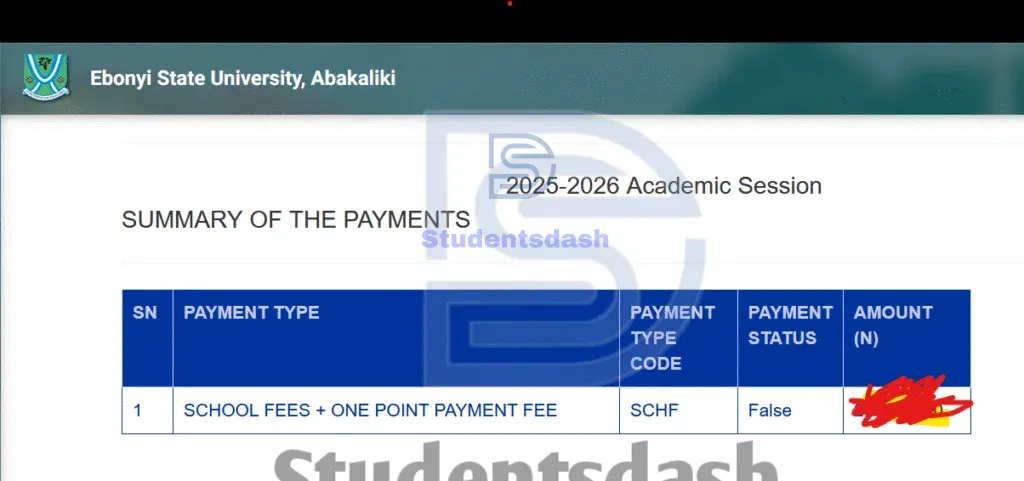
Image Post
Past Questions

ECO 102 Past Questions and Answers

Title: ECO 102 Past Questions and Answers URL: https://studentsdash.com/eco-102-past-questions-and-answers/ -------------------------------------------------- Chat on WhatsApp Contents The Concept of Macro Economics National Income Accounting Circular Flow of Income Money and Barter System Financial Institution Inflation Employment and Unemployment Business Cycle Theory Public Finance Evolution of Theories of International Trade Economic Development PRACTICE The main focus of macroeconomics is: A. Individual firms B. Aggregate output and employment C. Household choice D. Product design Answer: B Gross Domestic Product (GDP) measures: A. Total income of residents only B. Value of final goods and services produced domestically C. Total exports only D. Government spending only Answer: B Which approach sums wages, rent, interest and profits? A. Expenditure approach B. Income approach C. Production approach D. Transfer approach Answer: B Net factor income from abroad is included in: A. GDP B. GNP (GNI) C. Value added only D. Imports Answer: B If depreciation is subtracted from GDP, we get: A. Gross national product B. Net domestic product C. Personal income D. Disposable income Answer: B A fall in consumption with constant investment likely reduces: A. Aggregate demand B. Aggregate supply C. Potential output D. Money supply Answer: A The circular flow model without government includes: A. Households and firms only B. Government, households, firms C. Banks only D. Foreign sector only Answer: A In the circular flow, savings are: A. Injections B. Leakages C. Taxes D. Exports Answer: B An injection into the circular flow is: A. Savings B. Taxes C. Investment D. Imports Answer: C If leakages > injections, equilibrium output will: A. Rise B. Fall C. Remain same D. Cause hyperinflation Answer: B Barter fails mainly because: A. Money value fluctuates B. Double coincidence of wants is hard C. Banks control barter D. Taxes are higher Answer: B Money as a unit of account means it: A. Stores value only B. Measures prices and value C. Is used for barter D. Is always backed by gold Answer: B Which is NOT a function of money? A. Medium of exchange B. Unit of account C. Factor of production D. Store of value Answer: C Fiat money is: A. Backed by gold B. Legal tender by government decree C. Barter goods D. Foreign currency only Answer: B A major short-run effect of introducing money is: A. Eliminate all transaction costs B. Easier trade and specialization C. End of prices D. Instant full employment Answer: B Financial institutions mainly: A. Produce goods B. Channel funds from savers to borrowers C. Set fiscal policy D. Control exports Answer: B A bank’s main role in credit creation is to: A. Print money B. Lend deposits and create deposits C. Fix prices D. Control imports Answer: B The central bank usually: A. Runs commercial shops B. Controls monetary policy C. Runs hospitals D. Prints textbooks Answer: B Open market operations affect: A. Government spending only B. Money supply and interest rates C. Exports only D. Tax laws Answer: B Reserve requirement ratio affects: A. Bank lending capacity B. Export quotas C. Tariff levels D. Wage setting Answer: A Cost-push inflation is caused by: A. Too much demand only B. Rising production costs C. Falling wages only D. Lower money supply Answer: B Demand-pull inflation arises when: A. Aggregate demand exceeds supply B. Supply increases faster than demand C. Prices fall D. Exports drop only Answer: A If inflation expectations rise, nominal wages tend to: A. Fall immediately B. Rise as workers demand compensation C. Stay fixed by law D. Equal zero Answer: B Headline inflation includes: A. Only food and energy B. All items in the CPI basket C. GDP deflator only D. Only housing costs Answer: B Core inflation excludes: A. Durable goods B. Food and energy prices C. Services D. Clothing Answer: B Frictional unemployment is due to: A. Skill mismatch B. Time in job search C. Permanent industry decline D. Seasonal layoffs Answer: B Structural unemployment results from: A. Short job search time B. Mismatch of skills and jobs C. Temporary strikes only D. Seasonal work Answer: B Cyclical unemployment is caused by: A. Long-term structural shifts B. Business cycle downturns C. Job search frictions only D. Immigration Answer: B Natural rate of unemployment equals: A. Zero B. Frictional + structural unemployment C. Cyclical unemployment only D. Full employment without any unemployment Answer: B If minimum wage rises above equilibrium, it may cause: A. Excess supply of labor (unemployment) B. Labor shortage only C. No effect on market D. Immediate full employment Answer: A Business cycles are measured by changes in: A. Long-run trend only B. Short-run fluctuations in output and employment C. Population growth rates only D. Land use patterns Answer: B A recession is identified by: A. Rapid inflation only B. Significant decline in economic activity across the economy C. High net exports always D. Permanent GDP increase Answer: B Leading indicators are useful because they: A. Move before the economy as a whole B. Always predict exact dates of recessions C. Are the same as lagging indicators D. Measure only monetary policy Answer: A Expansion in a business cycle is when: A. Output declines B. Output and employment increase C. Prices always fall D. Investment stops Answer: B Fiscal policy uses: A. Interest rate changes only B. Government spending and taxes C. Central bank reserves only D. Tariff quotas only Answer: B A contractionary fiscal policy would: A. Increase government spending B. Reduce spending or raise taxes C. Cut central bank reserves only D. Eliminate public debt immediately Answer: B Progressive tax system means: A. Same rate for all incomes B. Higher average tax with higher income C. Lower rate for higher incomes D. No taxation Answer: B Benefit principle in taxation says taxes should be: A. Based on ability to pay only B. Related to benefits received from public goods C. Collected only from firms D. Flat for everyone Answer: B Public debt is sustainable if: A. Interest rate < GDP growth rate or debt stabilizes relative to GDP B. Debt always grows faster than GDP C. Government stops all spending D. Taxes are zero Answer: A Debt crowding out happens when: A. Private investment falls due to higher interest rates from government borrowing B. Exports rise automatically C. Consumption increases only D. Money supply vanishes Answer: A A lump-sum tax is efficient because it: A. Distorts choices heavily B. Does not change relative prices of goods and work C. Is always fair D. Is easy to evade Answer: B Transfer payments are: A. Government payments to firms for goods only B. Payments like pensions and unemployment benefits C. Taxes collected by the state D. Exports of services Answer: B The fiscal multiplier is larger when: A. Openness to trade is high B. Marginal propensity to consume is high and imports are low C. Taxes are very high always D. Money supply is fixed Answer: B Automatic stabilizers work by: A. Changing policy rates daily B. Dampening fluctuations without new legislation C. Requiring new laws every time D. Eliminating unemployment instantly Answer: B Balance of payments current account records: A. Capital flows only B. Trade in goods and services, income and transfers C. Only exports D. Only imports Answer: B A current account deficit must be financed by: A. Net capital inflows from abroad B. Reducing imports automatically C. Increasing exports instantly D. Cutting domestic savings to zero Answer: A Comparative advantage depends on: A. Absolute productivity only B. Relative opportunity costs across countries C. Tariff levels only D. Currency value only Answer: B Heckscher-Ohlin theory links trade patterns to: A. Technology only B. Factor endowments (capital, labor) C. Political systems only D. Population density only Answer: B Terms of trade measure: A. Ratio of export prices to import prices B. Exchange rate only C. Government budget only D. Domestic inflation rate Answer: A An improvement in terms of trade means: A. Exports fetch more imports per unit B. Imports become more expensive only C. No effect on welfare D. Exports drop to zero Answer: A Export-led growth strategy focuses on: A. Domestic consumption only B. Promoting exports to drive growth C. Closing borders to trade D. Reducing human capital Answer: B Import substitution strategy emphasizes: A. Replacing imports with local production B. Increasing imports always C. Export subsidies only D. Removing local industry Answer: A Foreign direct investment (FDI) usually brings: A. Only capital flight B. Capital, technology and management skills C. Higher trade barriers D. No jobs at all Answer: B A fixed exchange rate requires: A. No foreign reserves B. Active use of reserves to defend the peg C. Flexible monetary policy always D. Ignoring capital flows Answer: B A flexible exchange rate is determined by: A. Central bank only B. Market supply and demand for currency C. Government decree only D. Fixed commodity backing Answer: B Devaluation makes exports: A. Cheaper for foreigners B. More expensive abroad C. Unchanged in competitiveness D. Illegal Answer: A Economic development differs from growth by focusing more on: A. Raw GDP numbers only B. Structural change, living standards and institutions C. Short-run output spikes only D. Currency accumulation only Answer: B Human capital refers to: A. Physical machines only B. Education, skills and health of workers C. Natural resources only D. Government buildings Answer: B Physical capital accumulation raises growth by: A. Reducing labor productivity B. Increasing productive capacity and output per worker C. Causing immediate inflation only D. Eliminating trade Answer: B In Solow model, technological progress leads to: A. Higher long-run growth in output per worker B. Lower productivity forever C. Immediate zero growth D. Decline in steady-state output Answer: A Poverty trap implies: A. Small initial differences can lead to large long-run gaps B. Everyone escapes poverty easily C. No role for savings or investment D. All countries converge automatically Answer: A Sustainable development stresses: A. Only GDP growth today B. Meeting present needs without harming future generations C. Exploiting all resources now D. Ignoring environmental limits Answer: B Structural adjustment programs often require: A. Increased government subsidies only B. Fiscal discipline, liberalization and privatization C. Closing markets to trade D. Banning foreign investment Answer: B Which policy is most likely to reduce structural unemployment? A. Improve education and retraining programs B. Raise unemployment benefits permanently C. Ban technological change D. Fix wages rigidly Answer: A If consumption function is C = 200 + 0.8Y, marginal propensity to consume (MPC) is: A. 0.2 B. 0.8 C. 200 D. 1.0 Answer: B The multiplier (with MPC = 0.75) equals: A. 1 / (1 – 0.75) = 4 B. 0.75 C. 1 D. 0.25 Answer: A Real GDP adjusts nominal GDP using: A. Exchange rates B. Price index (deflator) C. Bank reserves D. Tax rates Answer: B If nominal GDP rises faster than real GDP, this suggests: A. Deflation B. Positive inflation C. No price changes D. GDP deflator fell Answer: B Velocity of money equals: A. (Price level × real GDP) / Money supply B. Money supply only C. Interest rates only D. Tax revenue divided by money Answer: A Monetarists claim controlling money growth controls: A. Trade deficits only B. Long-run inflation C. Employment permanently D. Natural resources Answer: B Phillips curve shows trade-off between: A. Inflation and unemployment in the short run B. Growth and technology only C. Exports and imports only D. Budget deficit and trade balance Answer: A Long-run Phillips curve is vertical because: A. No trade-off exists between inflation and natural unemployment long run B. Inflation eliminates unemployment permanently C. Unemployment can be zero long run D. Prices are fixed long run Answer: A Sticky wages mean wages: A. Adjust instantly to clear labor markets B. Do not fall quickly, causing unemployment in downturns C. Never rise in expansions D. Are always set by markets only Answer: B Rational expectations imply agents: A. Use all available information and model-consistent forecasts B. Never update beliefs C. Ignore policy announcements D. Always be irrational Answer: A If government runs persistent deficits, long-term interest rates may: A. Rise due to higher demand for loanable funds B. Fall to zero always C. Become negative only D. Be unaffected forever Answer: A Seigniorage is revenue from: A. Taxing imports only B. Money creation by the government/central bank C. Income taxes only D. Foreign aid exclusively Answer: B A liquidity trap occurs when: A. Interest rates are very low and monetary policy is ineffective B. Interest rates are high and money demand is low C. Banks refuse to hold reserves only D. All consumers hoard gold only Answer: A Quantitative easing involves: A. Selling long-term assets only B. Central bank buying long-term securities to increase money supply C. Increasing taxes directly D. Cutting exports Answer: B Exchange rate depreciation tends to: A. Make exports cheaper and imports more expensive B. Make exports more expensive abroad C. Eliminate trade entirely D. Fix terms of trade automatically Answer: A Capital account records: A. Trade in goods and services B. Capital transfers and acquisition/disposal of non-produced, non-financial assets C. Only tourism receipts D. Only tax revenue Answer: B A current account surplus implies: A. Net lending to the rest of the world B. Net borrowing from abroad C. Zero investment domestically D. Balanced budget always Answer: A Currency substitution occurs when: A. A country uses a foreign currency widely instead of its own B. Everyone uses barter only C. Central bank bans foreign money strictly D. Imports equal exports always Answer: A Purchasing Power Parity (PPP) suggests: A. Exchange rates adjust so similar goods cost the same across countries B. Exchange rates never change C. Nominal wages are equal across countries D. Tariffs set price levels only Answer: A A trade tariff typically: A. Raises domestic prices of imported goods B. Lowers government revenue always C. Has no effect on trade flows D. Makes imports cheaper Answer: A Subsidies to domestic industry typically: A. Improve long-run efficiency always B. Distort resource allocation and fiscal cost C. Lower domestic production cost without cost D. Are revenue-neutral always Answer: B Import quota restricts: A. Quantity of imports allowed B. Export prices only C. Currency supply only D. Domestic production only Answer: A Structural transformation in development means: A. Economy shifts from agriculture to industry and services B. Staying in low-productivity agriculture only C. Closing all markets to trade D. Reducing human capital Answer: A Income distribution matters for development because: A. It affects poverty, demand and social stability B. It only affects taxes for the rich C. It has no role in growth D. Only average GDP matters Answer: A Conditional cash transfers aim to: A. Provide cash with behavioral conditions like school attendance B. Give cash with no conditions always C. Replace all public services D. Remove incentives for school attendance Answer: A Microfinance primarily targets: A. Large corporations only B. Small borrowers and entrepreneurs lacking collateral C. Government agencies only D. International banks only Answer: B Human Development Index (HDI) combines: A. GDP per capita only B. Income, education and health indicators C. Trade balance only D. Inflation rate only Answer: B A current account surplus combined with capital inflow: A. Means the country is net lender and also receiving foreign investment B. Impossible situation C. Always causes sovereign default D. Indicates zero trade Answer: A Terms of trade deterioration hurts a country because: A. It gets fewer imports for its exports B. Exports become more valuable always C. Domestic prices fall only D. It always leads to higher GDP Answer: A Import-dependent economies have fiscal multipliers that are: A. Larger than closed economies B. Smaller because leakages via imports reduce multiplier C. Equal to zero always D. Infinite Answer: B Convergence hypothesis states: A. Poor countries will catch up to rich countries under certain conditions B. All countries always converge automatically regardless of policy C. Rich countries get poorer always D. Growth rates are identical everywhere Answer: A Balanced growth strategy encourages: A. Equal development across sectors to avoid bottlenecks B. Focus on one sector only always C. Ignoring capital accumulation D. Eliminating exports entirely Answer: A Structural unemployment can be reduced by: A. Improving labor mobility and retraining B. Eliminating education systems C. Fixing wages at high levels permanently D. Banning migration Answer: A If government raises taxes and uses revenue to build roads, short-run effect on aggregate demand is likely: A. Ambiguous — depends on tax size and multiplier effects B. Always zero C. Always negative only D. Always cause hyperinflation Answer: A In small open economy with perfect capital mobility, fiscal expansion tends to: A. Fully crowd out net exports via higher interest rates and exchange rate changes B. Have no effect on trade balance C. Increase exports only D. Lower world interest rates only Answer: A The three pillars of development usually include: A. Economic growth, equity, environmental sustainability B. Only GDP growth, high inflation, trade barriers C. High tariffs, export bans, no education D. Zero investment, closed borders, no institutions Answer: A 101. Price controls are often aimed at helping the poor. A. True B. False Answer: A 102. The price ceiling is binding if it’s below the equilibrium point. A. True B. False Answer: A 103. The price floor is binding if it’s above the equilibrium point. A. True B. False Answer: A 104. When the tax is levied on sellers, buyers and sellers share the burden of the tax. A. True B. False Answer: A 105. In house renting, both supply and demand are more elastic in the long run. A. True B. False Answer: A 106. When a good is taxed, the quantity of the good sold is ____ in the new equilibrium. A. Smaller B. Larger C. The same D. Shifted Answer: A 107. The minimum wage has greatest impact on: A. The market for teenage labor B. The increase in number of old laborers C. The average employee D. The manager of the organization Answer: A 108. Minimum-wage laws may raise the incomes of some workers, but they also: A. Cause other workers to be unemployed B. Disrupt market equilibrium C. Cause inflation D. Decrease quality of hired workers Answer: A 109. The impact of the minimum wage depends on the skill and experience of the worker. A. True B. False Answer: A 110. Buyers and sellers share the burden of the tax all the time. A. True B. False Answer: B 111. Minimum wage raises the income of those workers who have jobs, but it lowers the income of workers who cannot find jobs. A. True B. False Answer: A 112. Minimum wage is more often ______ for teenagers than for other members of the labor forces. A. Advantageous B. Abusive C. Non-binding D. Binding Answer: D 113. When minimum wage rises, some teenagers who are still attending school choose to: A. Stay in school because their parents can now easily pay B. Drop out and take jobs C. Result to underground employment D. Have a part-time job Answer: B 114. When tenants get lower rents, they: A. The price is not in equilibrium B. They have smaller houses C. Are satisfied D. Also get lower-quality housing Answer: D 115. Which is not a step for analyzing supply and demand? A. Decide whether the law affects the supply curve or demand curve B. Decide which way the curve shifts C. Examine how the shift affects equilibrium price and quantity D. Decide whether the supply and demand curves are elastic or inelastic Answer: D 116. 10 percent increase in the minimum wage increases teenage employment between 1 and 3 percent. A. True B. False Answer: B 117. The only difference between taxes on sellers and taxes on buyers is: A. Whose curve is more inelastic B. Who benefits more C. Who sends the money to the government D. Who leaves faster from the market Answer: C 118. The elasticity measures the willingness of buyers or sellers to leave the market when: A. Conditions improve B. Prices inflate C. Conditions become unfavorable D. The tax is too big Answer: C 119. Taxes levied on sellers and taxes levied on buyers are equivalent. A. True B. False Answer: A 120. Two roles of economists: as policy advisors, they develop and test their theories to explain the world around them. As policy advisers, they use their theories to help change the world for the better. A. True B. False Answer: A 121. When policymakers set prices by legal decree, they improve the signals that normally guide the allocation of society’s resources. A. True B. False Answer: B 122. The amount that shows up as a deduction on your pay stub is the: A. Worker’s tax B. Worker’s burden C. Worker contribution D. Employee tax Answer: A 123. A price ceiling set above equilibrium price is: A. Non-binding B. Binding C. Effective D. Distorting Answer: A 124. The total tax revenue collected by the government equals: A. Tax × Quantity sold B. Price × Demand C. Income × Rate D. Tax ÷ Output Answer: A 125. A policy that reduces market efficiency but improves equality is an example of: A. Trade-off B. Subsidy C. Equilibrium D. Elasticity Answer: A 126. Which of the following represents an indirect tax? A. VAT B. Income tax C. Property tax D. Wealth tax Answer: A 127. A perfectly inelastic supply curve means sellers: A. Cannot change quantity supplied B. Respond quickly to price C. Increase output easily D. Are very flexible Answer: A 128. When supply is elastic, a small fall in price causes: A. Large fall in quantity supplied B. Small rise in quantity supplied C. No change D. Constant supply Answer: A 129. In economics, equilibrium means: A. No tendency to change B. Constant rise in price C. Increasing supply D. Surplus in market Answer: A 130. A fall in demand while supply remains constant leads to: A. Lower price B. Higher price C. Constant price D. Excess supply Answer: A 131. When the government sets a minimum price, it is called: A. Price floor B. Price ceiling C. Subsidy D. Tax rate Answer: A 132. If the equilibrium price of rice is ₦500 and government fixes ₦400, the result is: A. Shortage B. Surplus C. Stability D. Inflation Answer: A 133. Elasticity less than 1 means: A. Inelastic B. Unit elastic C. Elastic D. Perfectly elastic Answer: A 134. The slope of the demand curve is generally: A. Negative B. Positive C. Zero D. Infinite Answer: A 135. Inflation reduces the purchasing power of: A. Money B. Labour C. Capital D. Exports Answer: A 136. Which is not a type of inflation? A. Demand-pull B. Cost-push C. Structural D. Informal Answer: D 137. Unemployment occurs when: A. People willing to work cannot find jobs B. Firms make high profits C. Demand for goods rises D. Workers change jobs freely Answer: A 138. Frictional unemployment is caused by: A. Job transition period B. Low education C. Economic recession D. Technological change Answer: A 139. The total value of all goods and services produced within a country is: A. GDP B. GNP C. NDP D. NNP Answer: A 140. National income is measured using: A. Income, Output, and Expenditure methods B. Supply, Demand, and Cost methods C. Labour, Capital, and Tax methods D. Import and Export values Answer: A 141. The circular flow of income describes: A. Movement of income and spending between sectors B. Exchange of foreign currency C. Money growth in banks D. Movement of goods abroad Answer: A 142. In the circular flow model, households supply: A. Factors of production B. Goods and services C. Imports D. Taxes only Answer: A 143. Leakage in the circular flow includes: A. Savings, taxes, imports B. Exports, investment, government spending C. Production, demand, price D. Consumption, income, labour Answer: A 144. A barter economy means: A. Goods exchanged for goods B. Use of money C. Government control D. No market Answer: A 145. The main problem of barter is: A. Lack of double coincidence of wants B. Price stability C. Overproduction D. Inflation Answer: A 146. Money overcomes the problems of: A. Barter trade B. Taxation C. Inflation D. Shortage Answer: A 147. Which is not a function of money? A. Store of value B. Medium of exchange C. Unit of account D. Source of credit Answer: D 148. Financial institutions are classified into: A. Banking and non-banking B. Public and private C. Domestic and foreign D. Retail and wholesale Answer: A 149. The Central Bank controls: A. Money supply B. Company profits C. Labour unions D. Imports only Answer: A 150. Commercial banks create money through: A. Credit creation B. Taxation C. Currency printing D. Exchange rate Answer: A 151. Inflation rate is usually measured by: A. Consumer Price Index (CPI) B. GDP growth rate C. Unemployment ratio D. Money supply Answer: A 152. Deflation refers to: A. Continuous fall in prices B. Rise in prices C. Price stability D. Wage increase Answer: A 153. The Phillips Curve shows the relationship between: A. Inflation and unemployment B. Demand and supply C. Output and imports D. Wages and exports Answer: A 154. Full employment means: A. No involuntary unemployment B. Every citizen is employed C. Zero unemployment D. Government jobs only Answer: A 155. A business cycle refers to: A. Periodic fluctuations in economic activity B. Daily stock market movements C. Steady growth in GDP D. Inflation alone Answer: A 156. The expansion phase of a business cycle is marked by: A. Rising output and employment B. Falling income C. Economic depression D. High unemployment Answer: A 157. Fiscal policy refers to: A. Government spending and taxation B. Money supply control C. Exchange rate management D. Bank regulation Answer: A 158. Public finance deals with: A. Government revenue and expenditure B. Household budgets C. Private investment D. Corporate loans Answer: A 159. Direct taxes include: A. Income tax B. VAT C. Excise duty D. Sales tax Answer: A 160. A budget deficit occurs when: A. Expenditure > Revenue B. Revenue > Expenditure C. Income = Expenditure D. Tax = Spending Answer: A 161. A balanced budget means: A. Government income equals spending B. Surplus in trade C. Low inflation D. Equal exports and imports Answer: A 162. International trade allows countries to: A. Specialize and gain comparative advantage B. Avoid exchange C. Reduce production D. Produce all goods themselves Answer: A 163. Absolute advantage means: A. Producing more efficiently than others B. Producing everything locally C. Trading without exports D. Equal output with all countries Answer: A 164. Comparative advantage was explained by: A. David Ricardo B. Adam Smith C. Keynes D. Friedman Answer: A 165. Terms of trade measure: A. Ratio of export prices to import prices B. Balance of payment C. GDP ratio D. Foreign reserve level Answer: A 166. Developing countries often face: A. Low income and high unemployment B. High technology C. Industrial surplus D. Balanced growth Answer: A 167. Economic development focuses on: A. Long-term improvement in living standards B. Price control C. Short-term profits D. Political gains Answer: A 168. One indicator of economic development is: A. Per capita income B. Inflation rate C. Tax ratio D. Money supply Answer: A 169. Which of the following reduces economic growth? A. High corruption B. Education C. Investment D. Trade openness Answer: A 170. Human capital includes: A. Education, health, and skills B. Machines C. Buildings D. Natural resources Answer: A 171. Developing economies often depend on: A. Primary production B. Industrial exports C. Financial services D. Technology goods Answer: A 172. One feature of developing countries is: A. High population growth B. Low unemployment C. Advanced infrastructure D. Stable income distribution Answer: A 173. Which policy aims at long-term growth? A. Development planning B. Price ceiling C. Wage control D. Devaluation Answer: A 174. Import substitution encourages: A. Domestic production of goods B. Heavy imports C. Currency depreciation D. Trade deficit Answer: A 175. Structural unemployment occurs due to: A. Technological changes B. Holiday periods C. Seasonal jobs D. Inflation Answer: A 176. A progressive tax means: A. Higher income, higher tax rate B. Equal tax for all C. Lower income, higher tax D. Tax on imports Answer: A 177. Regressive tax affects: A. The poor more than the rich B. Only companies C. The rich more than the poor D. Government revenue Answer: A 178. Exchange rate is: A. The price of one currency in terms of another B. Interest on savings C. Inflation measure D. Wage rate Answer: A 179. Balance of payment records: A. All transactions between a country and the rest of the world B. Only exports C. Only imports D. Government budgets Answer: A 180. Devaluation makes exports: A. Cheaper B. Costlier C. Useless D. Unchanged Answer: A 181. An import quota is: A. A limit on quantity imported B. A tax on exports C. A subsidy D. A price floor Answer: A 182. Dumping occurs when: A. Goods are sold abroad below cost price B. Imports exceed exports C. Firms close down D. Government intervenes Answer: A 183. Tariffs are imposed to: A. Protect local industries B. Encourage imports C. Reduce tax revenue D. Support inflation Answer: A 184. Foreign aid can promote: A. Development B. Inflation C. Overproduction D. Corruption only Answer: A 185. Economic planning means: A. Government deliberate control of economic activities B. Free market C. Monopoly power D. Random growth Answer: A 186. Gross National Product (GNP) = A. GDP + Net income from abroad B. GDP − Imports C. GDP + Government spending D. GDP − Taxes Answer: A 187. Net National Product (NNP) = A. GNP − Depreciation B. GDP + Imports C. GDP + Inflation D. GNP + Savings Answer: A 188. Disposable income = A. Personal income − Taxes B. National income + Tax C. GDP ÷ Population D. Wage + Rent Answer: A 189. If imports > exports, the result is: A. Trade deficit B. Trade surplus C. Balance of payment D. Inflation Answer: A 190. The invisible hand concept was proposed by: A. Adam Smith B. David Ricardo C. Karl Marx D. Keynes Answer: A 191. Keynes emphasized: A. Government intervention B. Free market forces C. International trade only D. Privatization Answer: A 192. Classical economists believed in: A. Self-regulating markets B. Government control C. Fiscal stimulus D. Fixed prices Answer: A 193. A recession is defined as: A. Decline in GDP for two consecutive quarters B. One month drop in prices C. Rapid inflation D. High exports Answer: A 194. Depression is: A. Severe and prolonged recession B. Temporary fall in income C. Sudden rise in tax D. Currency appreciation Answer: A 195. Economic growth is measured by: A. Increase in real GDP B. Population growth C. Rise in money supply D. Price index Answer: A 196. One cause of inflation is: A. Too much money chasing few goods B. Reduced demand C. Increased productivity D. Balanced trade Answer: A 197. When government spending exceeds income, it borrows by issuing: A. Bonds B. Tariffs C. VAT D. Subsidies Answer: A 198. Public debt refers to: A. Total borrowing by the government B. Household loans C. Corporate debt D. Foreign remittances Answer: A 199. The dual-sector model of development was proposed by: A. W. Arthur Lewis B. Adam Smith C. John Keynes D. Karl Marx Answer: A 200. Sustainable development focuses on: A. Meeting present needs without harming future generations B. Short-term profit C. Trade surplus D. Tax increase Answer: A

Image Post
Link copied to clipboard!