Showing 49–60 of 936
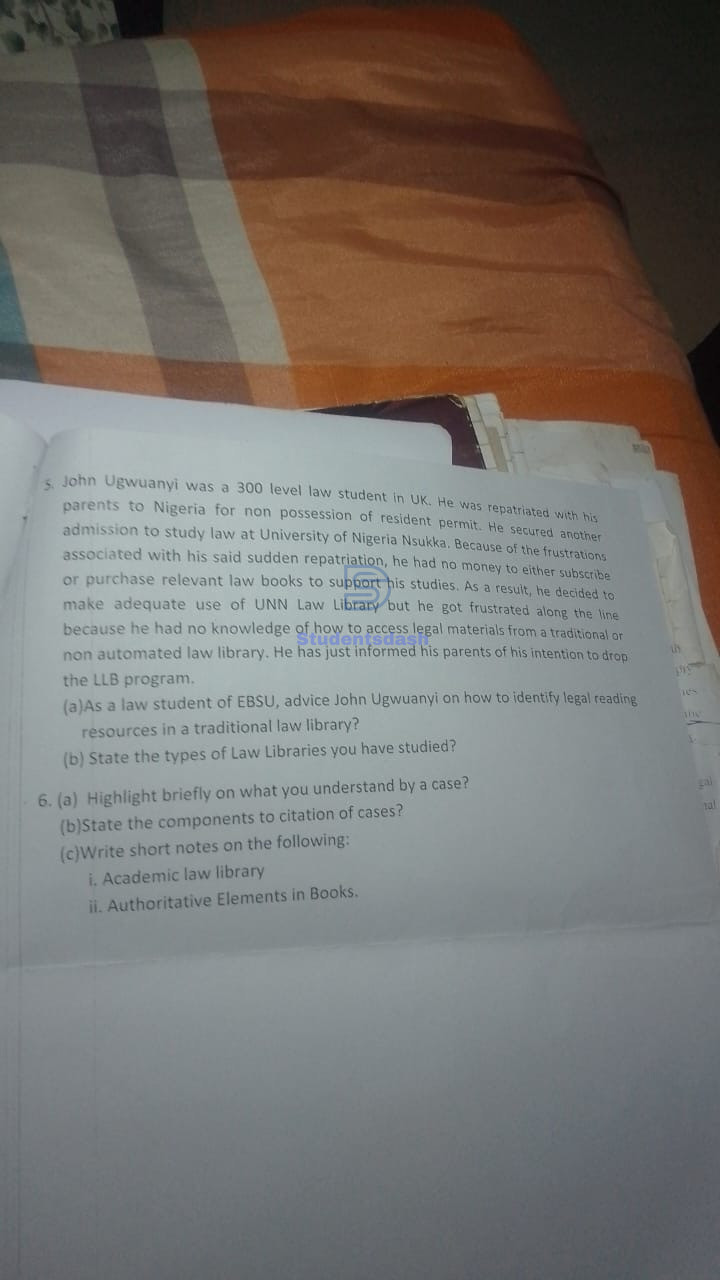
PUL 101 Past Questions and Answers
PUL 101 Past Questions and Answers legal Methods
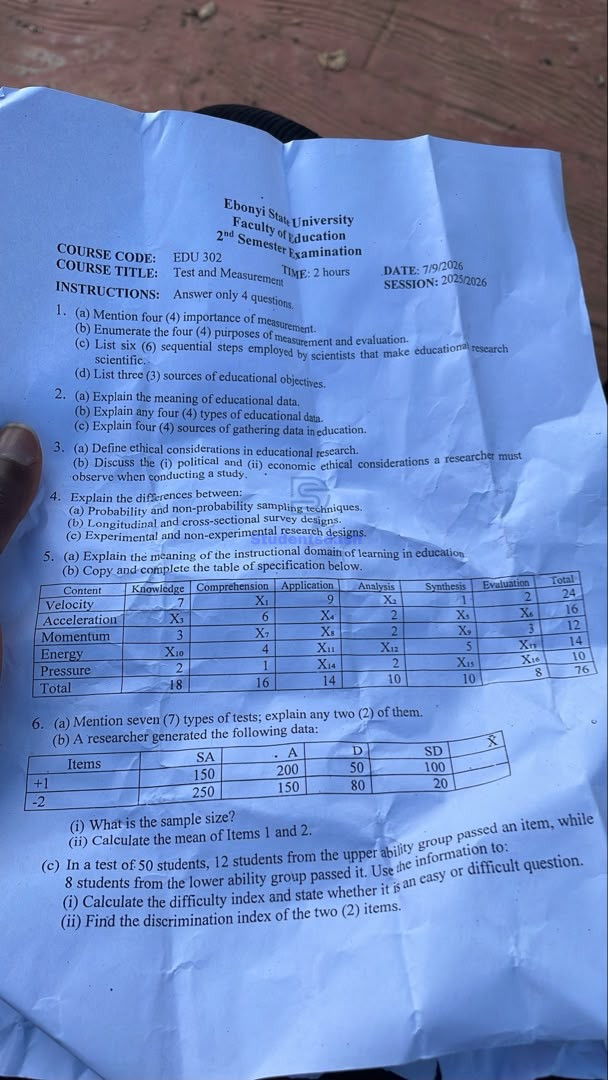
EDU 302 Past Questions and Answers
EDU 302 Test and Measurement Past Questions and Answers
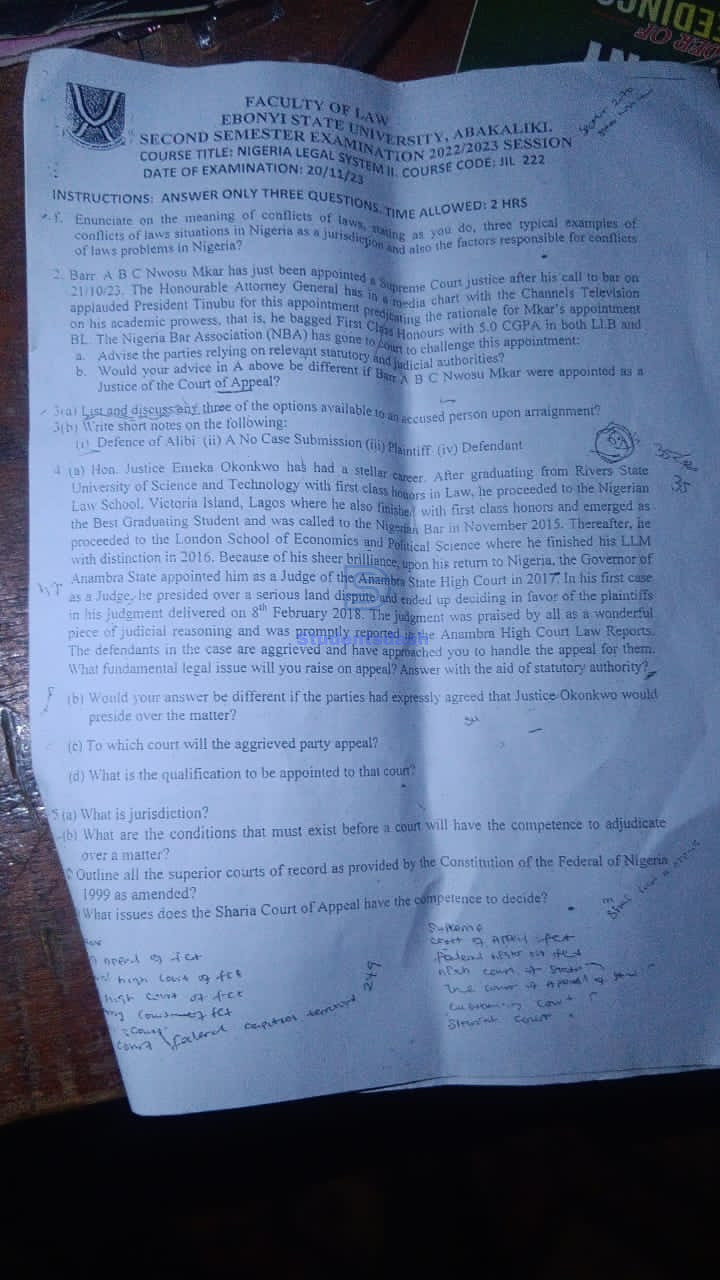
JIL 222 Past Questions and Answers 2022/2023
JIL 222 Past Questions and Answers 2022/2023 - Nigerian Legal System II
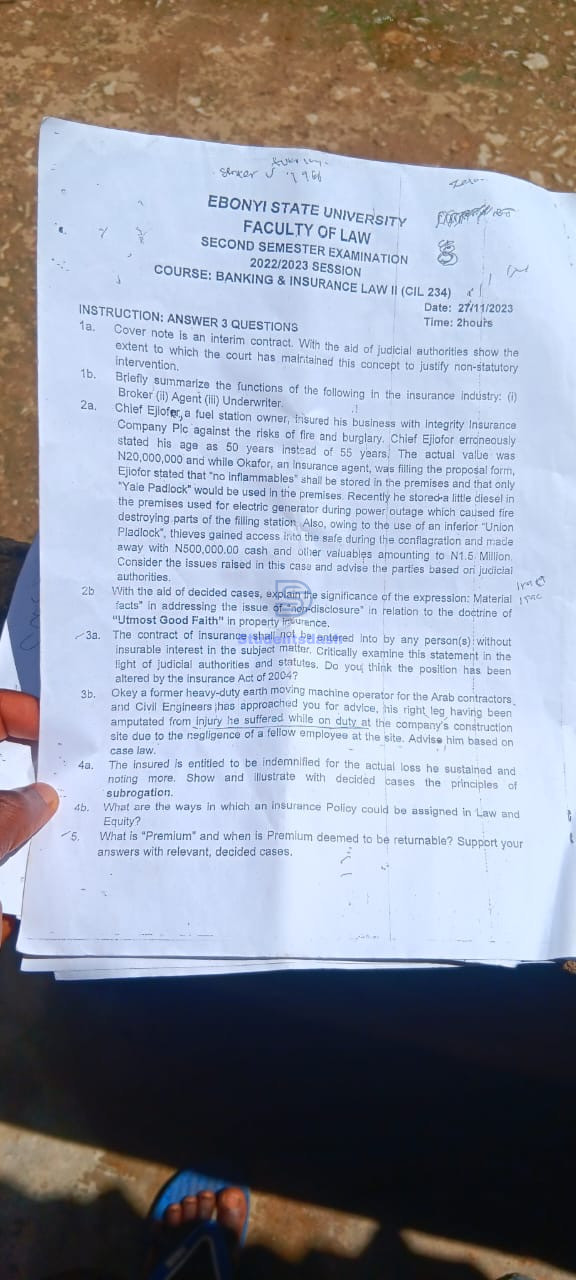
CIL 234 Past Questions and Answers
CIL 234 Past Questions and Answers - Banking and Insurance Law II
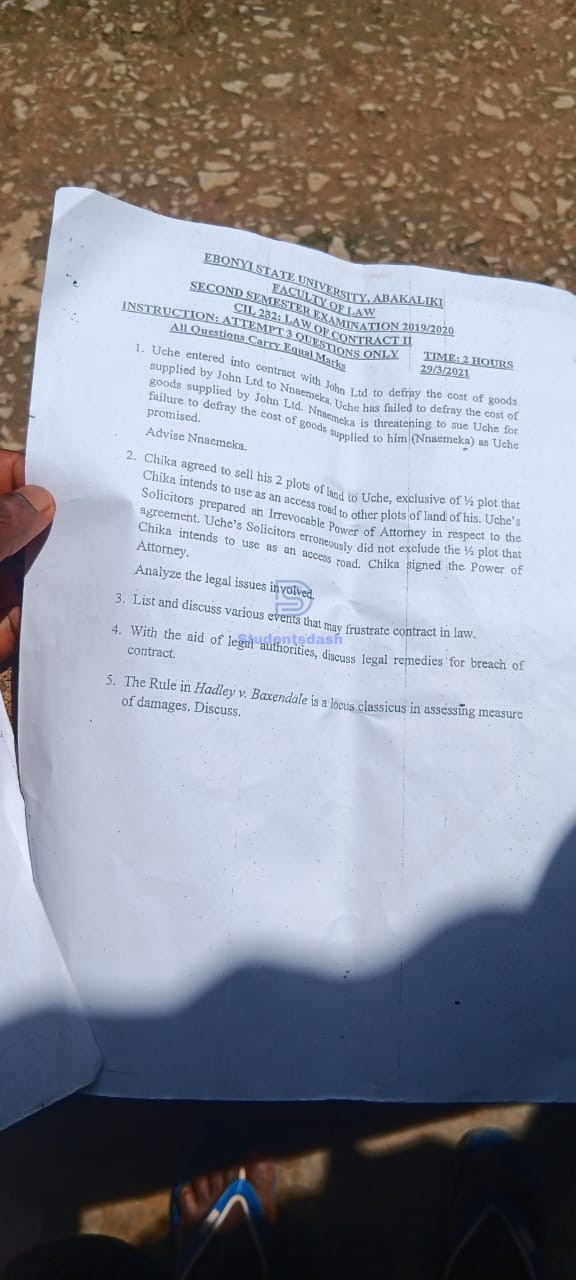
CIL 232 Past Questions and Answers
CIL 232 Past Questions and Answers - Law of Contract II
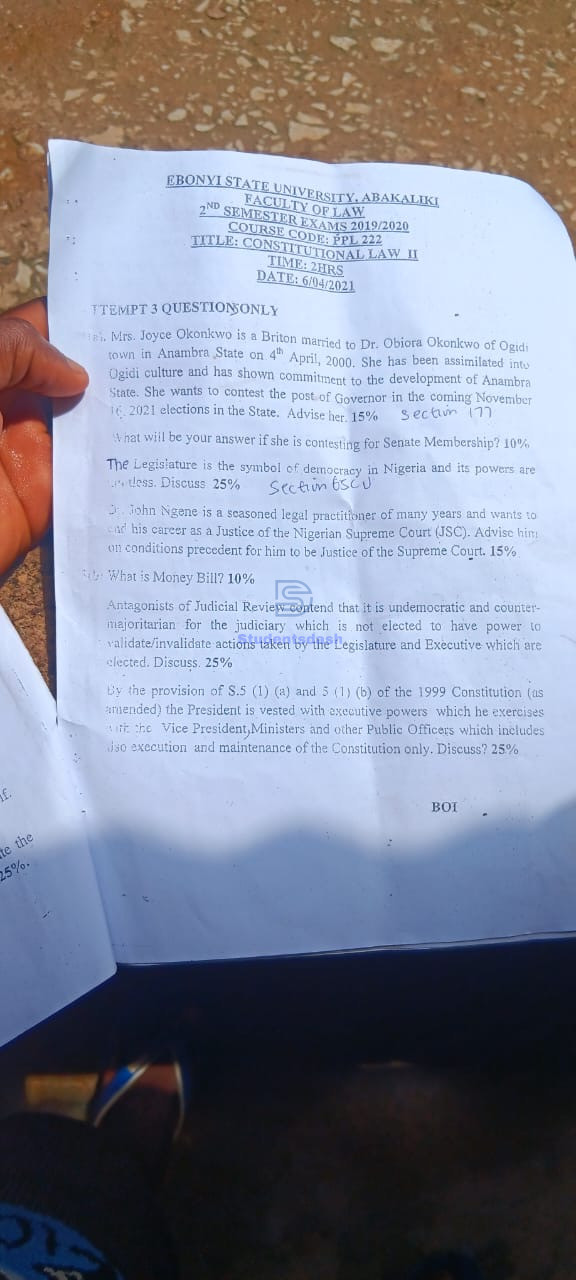
PPL 222 Past Questions and Answers
PPL 222 Past Questions and Answers - Constitutional Law II
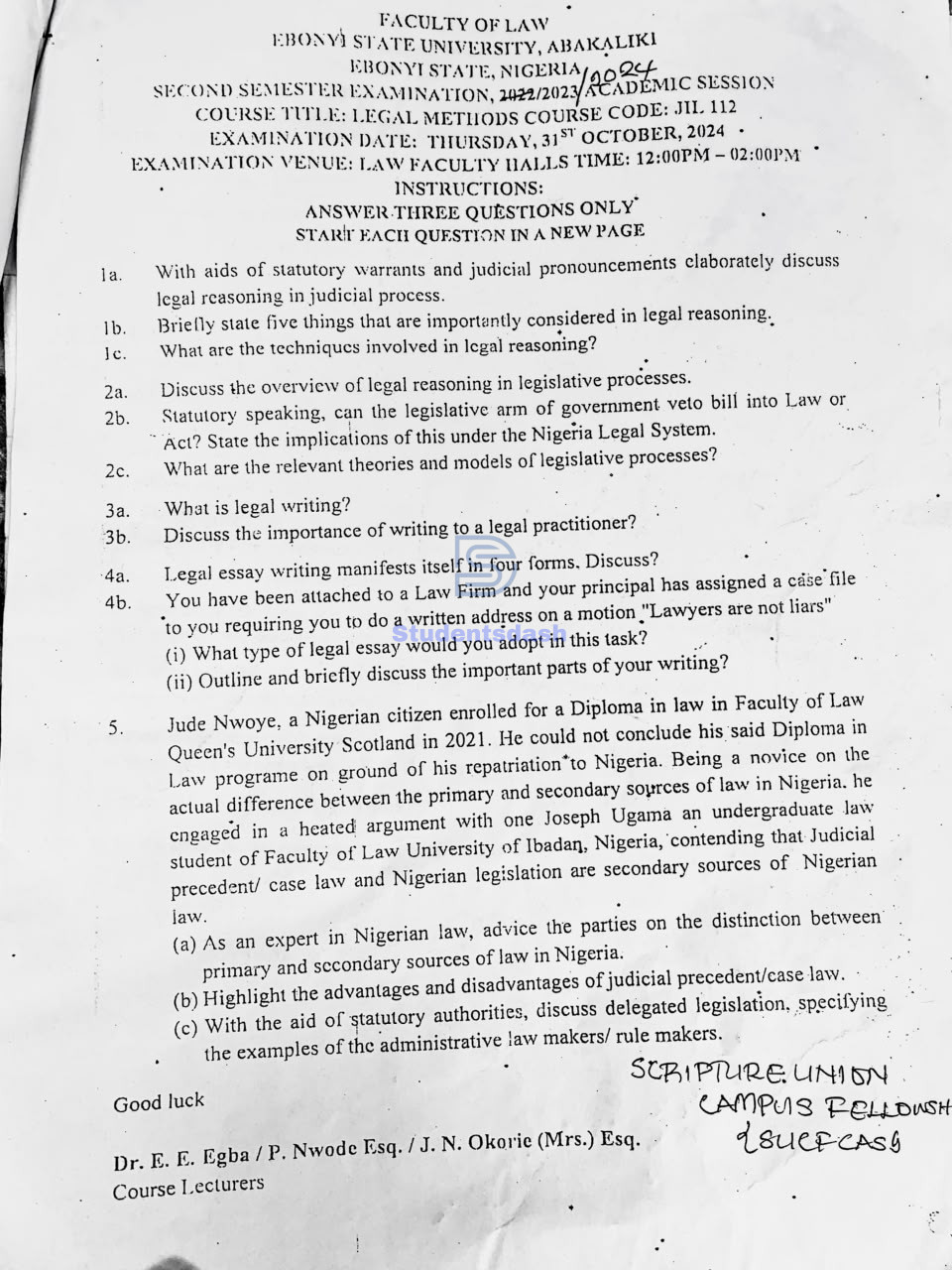
JIL 112 Legal Methods Past Questions and Answers 2024
JIL 112 Legal Methods Past Questions and Answers 2024
BCH 212 Past Questions and Answers
*DEPARTMENT OF MEDICAL BIOCHEMISTRY* *FACULTY OF BASIC MEDICINE* *COLLEGE OF HEALTH SCIENCES* *EBONYI STATE UNIVERSITY, ABAKALIKI**SECOND SEMESTER EXAMINATION - 2019/2020 ACADEMIC SESSION*COURSE CODE: BCH 212 DEPARTMENT: Anatomy, Med. Lab. Sci, Nursing Sci, Physiology COURSE TITLE: Metabolism and Biochemical pathways Time Allowed: 2 Hours Date: 9th April, 2021*Instruction:* Answer Any FOUR (4) Questions only. All Questions Carry Equal Marks. Do not end in the middle of a question.*Question 1:* a) What is transamination in amino acid metabolism? State the features of transamination b) State the Biochemical and clinical symptoms associated with two named inborn errors of cyclic metabolism c) The form in which ammonium is secreted by an organism depends on the ecological niche of the organism.*Question 2:* a) What is the limiting enzyme in urea cycle is carbamoyl phosphate synthetase and it exists in two forms b) What are the differences between carbamoyl phosphate synthetase (CPS I) and carbamoyl phosphate synthetase (CPS II) c) State the pathological conditions associated with defect in the enzymes involved in urea cycle (name the deficient enzyme in each case) d) State the inborn errors involved in the metabolism of branched chain amino acid (name the defective enzyme in each case)*Question 3:* a) State the difference between Glucogenesis and Gluconeogenesis b) Outline without structure the synthetic pathway of bilirubin and describe one case of its pathology c) Define the following: i) Substrate level phosphorylation ii) Gluconeogenesis and list its precursors*Question 4:* a) Describe the cytosolic events of heme biosynthesis, stating the inborn error in each step the features & the deficient enzyme. b) List the proteins/enzymes involved in heme degradation from the stage of catabolism to excretion c) Write two compounds that are the salvage pathways of purine biosynthesis & state the significance in the living system. d) With an equation, state the common reaction between pyrimidine & purine biosynthesis.*Question 5:* a) Briefly discuss on the inhibitory role of NADH + H+ in fatty acid oxidation b) Differentiate between ketonemia and ketonuria giving a general name for both conditions c) Write on the mechanism of action of a named drug used in the management/treatment of fatty liver d) NADPH is an essential ingredient (coenzyme) in the anabolic process of fatty acid metabolism (TRUE/FALSE)